

Cloud subscriptions for smart home services offer a lot of convenience. You can access things such as the video history of your security cameras from anywhere in the world whenever you need to. The trouble is that the prices of these subscriptions keep rising, and the likelihood is that they’re going to rise even higher in the near future.
Why smart home subscriptions are likely to keep rising
Server and storage costs are only going up
Credit: Shutterstock.com/Eugene Kouzmenok
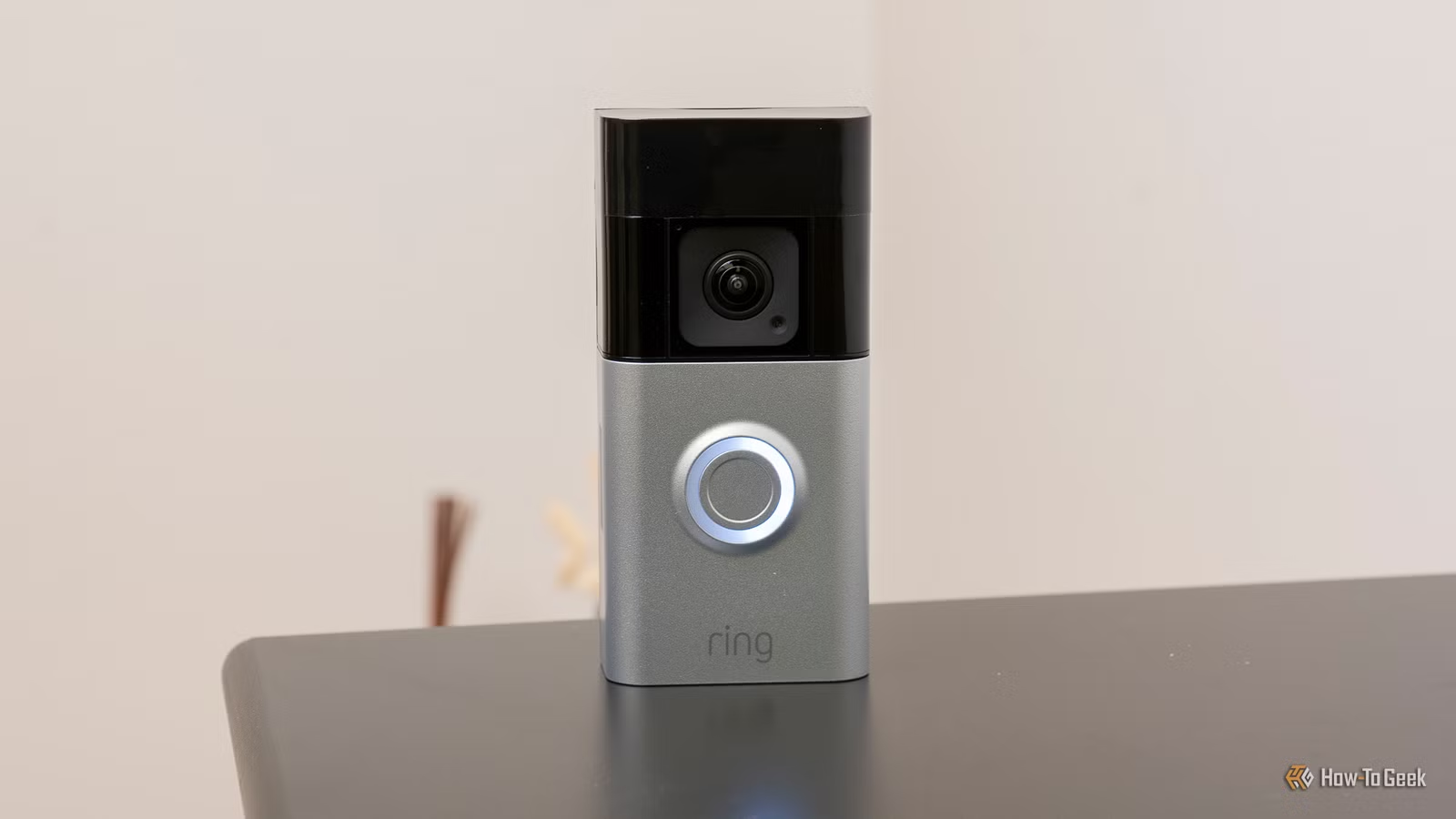
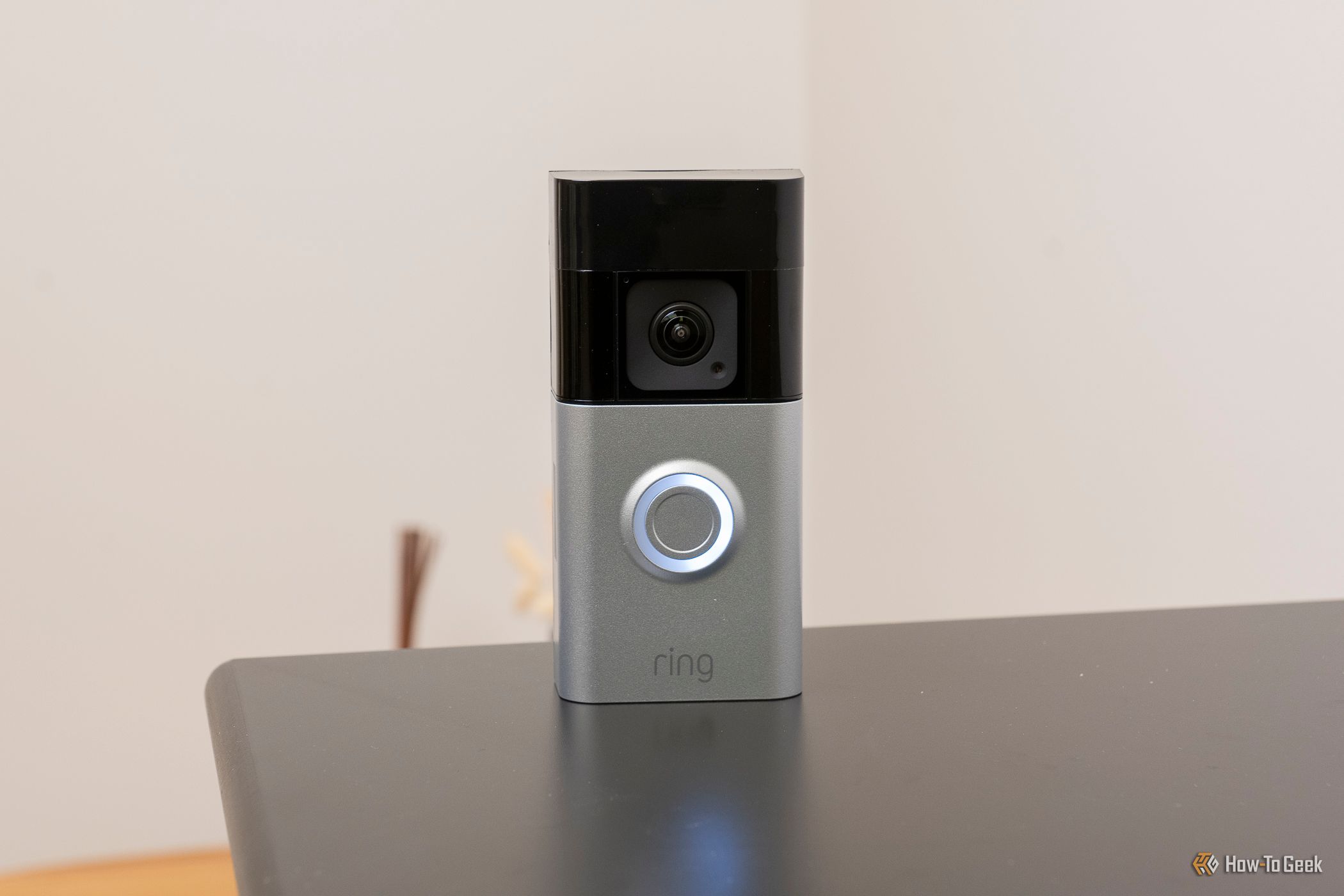
Smart home subscriptions are a clever model for businesses. They can sell their products at temptingly low prices, and then recover their profits by charging subscription fees to access the most useful features. For example, you can buy a Ring video doorbell for relatively little, but then you’re tied into paying a subscription if you want to access things such as your video history or package detection.
The problem is that cloud video storage is expensive, as are AI-powered detection features. The rise in demand for AI infrastructure has led to shortages in key components such as RAM, which are pushing the costs for cloud service providers even higher. When costs rise, these almost inevitably get passed on to the consumer.
Last year, Nest Aware (now Google Home Premium) raised prices by as much as 33%, Arlo Secure increased the annual subscription by more than $60, Blink raised prices for the first time since 2021, and Ring increased some prices by 25%. Some companies also moved additional features behind paywalls, effectively silently increasing the cost of the equivalent service.
Dimensions (exterior)
4.41″L x 4.41″W x 1.26″H
Weight
12 Ounces
Home Assistant Green is a pre-built hub directly from the Home Assistant team. It’s a plug-and-play solution that comes with everything you need to set up Home Assistant in your home without needing to install the software yourself.
Local storage can break the cycle
Store your own data instead of paying someone else to do it
Credit: Patrick Campanale / How-To Geek
With smart home subscription costs only moving in one direction, there’s never been a better time to look for alternative options. Switching from one brand to another isn’t the greatest idea, as the likelihood is that most brands will increase prices at some point.
A true alternative is to ditch the subscriptions completely, and replicate the services you’re receiving in your own home. While costs for consumer products are also rising, you may find that you already have all the hardware you need to set up your own local storage for your smart home.
The benefits of setting up local storage are more than just no longer having to pay subscription fees. It also means that you don’t have to upload the video from your cameras to a third-party server to be stored and processed. Companies such as Google and Amazon (which owns Ring and Blink) have less than stellar privacy records, but if you store your video locally, you don’t need to give anyone else access to it.
Related
8 Hidden Costs of a Smart Home (and How to Avoid Them)
The cost of your smart home devices is just the tip of the iceberg.
Home Assistant can give you a local smart home system
Options such as Frigate can replace cloud subscriptions
If you’re looking for a truly local smart home, popular smart home ecosystems such as Alexa and Google Home aren’t going to cut it. These systems rely on cloud services for many of their features, so a lot of data will end up leaving your home network.
One of the best alternatives is Home Assistant. The smart home software is designed to be run on a local device, and you can use it to connect and control many smart home devices without using the cloud at all.
I replaced my Ring Video doorbell with a Reolink model. You can install an SD card and have your videos saved locally on the device without the need for a cloud subscription. I can still access the past seven days of video recordings but none of the videos need to leave my home.
For an even better experience, you can install the open-source Frigate NVR software, which can replicate much of what you get from a cloud-based subscription. Frigate can perform real-time local AI detection to distinguish between people, cars, pets, and other objects, and record video when a person is detected. You can store the video on local hardware and access it at any time through Frigate.
Frigate integrates well with Home Assistant, allowing you to create automations that are triggered when a person is detected or when a car pulls into your driveway. You can set your own retention policies to keep video for as long as you need it or even record 24/7 if you have the space to store it all.
Since all processing and storage happens on your local hardware, none of your video needs ever leave your home, and there are no subscription fees to worry about. While there may be initial setup costs, in the long term you can save a significant amount of money. You don’t need amazing hardware, either; you can use a reasonably cheap Coral TPU to handle object detection on multiple cameras.
Escape from the cycle of rising subscription fees
There’s nothing more galling than suddenly having to pay more for the same service. Smart home subscriptions often have you over a barrel, as if you refuse to pay, you lose most of the useful features. The simplest way to escape is to wave goodbye to your subscriptions, and replace them with a local alternative.
