



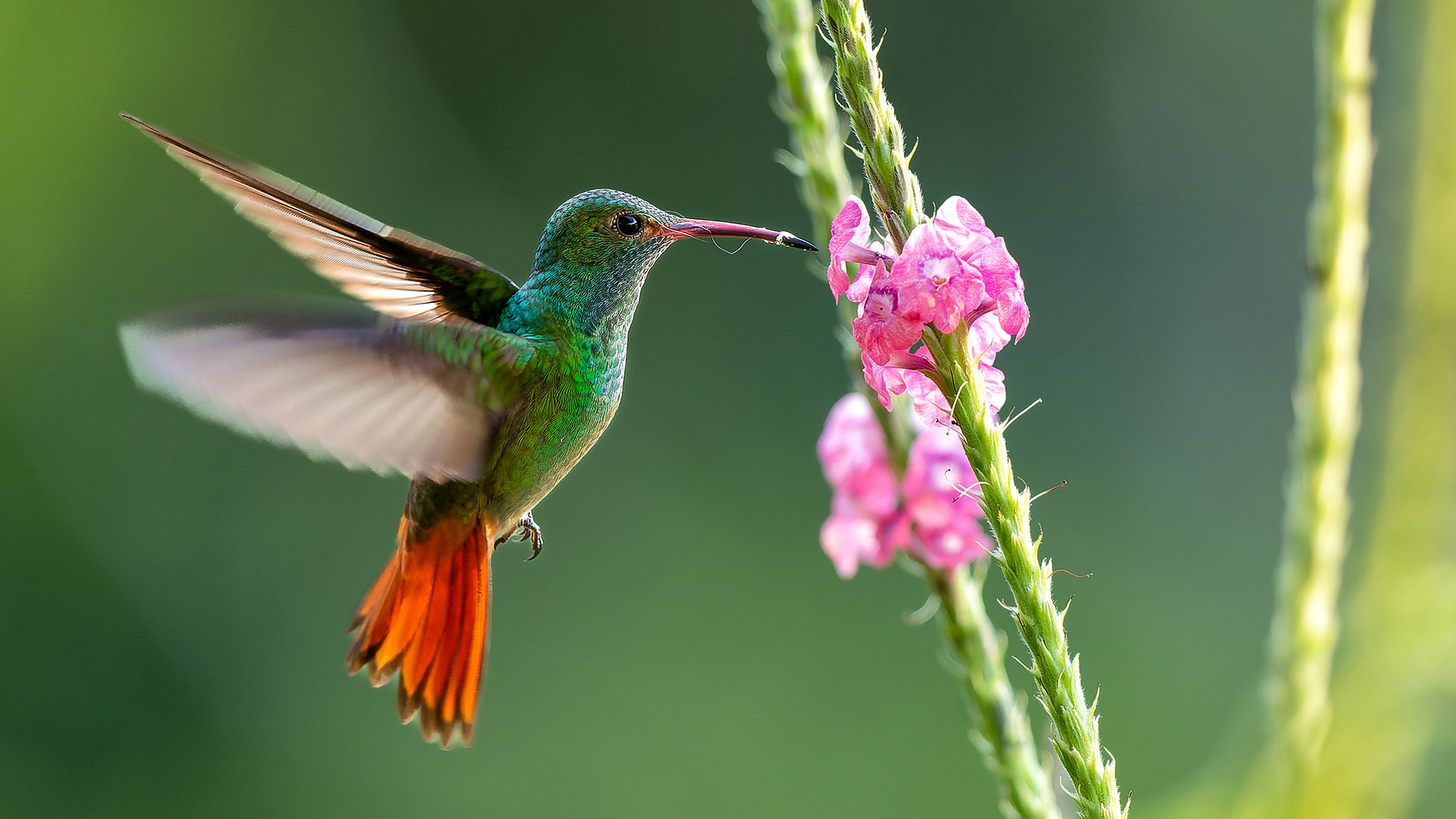
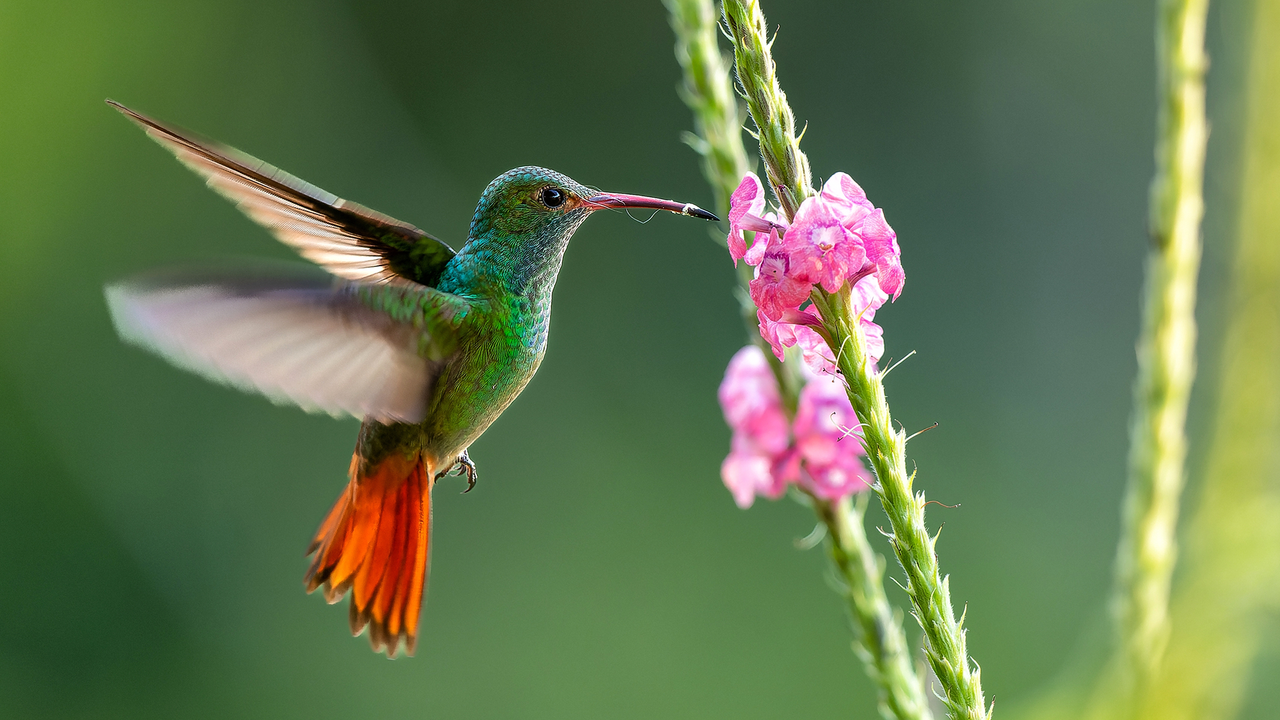

Few garden visitors are as exciting as hummingbirds. They can appear seemingly out of nowhere, hovering in front of flowers before darting away again in a flash of color. Despite their tiny size, they bring a huge amount of energy and movement to a yard, and for many gardeners, spotting the season’s first hummingbird is one of the highlights of early summer.
The good news is that attracting hummingbirds doesn’t require a complete garden makeover. These birds are primarily looking for three things: food, water, and places to rest. By making a few simple changes to your outdoor space, you can create an environment that encourages them to stop by regularly throughout the season.
I’ve found that the most successful hummingbird gardens aren’t necessarily the largest or most elaborate. Instead, they’re the ones that provide several different resources in the same space, giving hummingbirds a reason to return again and again.
Latest Videos From
Here are five of the best ways to make your yard more hummingbird-friendly this June.
1. Put up a hummingbird feeder
(Image credit: Shutterstock)
If you’re serious about attracting hummingbirds, a feeder is one of the quickest ways to get their attention. Hummingbirds consume enormous amounts of energy every day and are constantly searching for reliable nectar sources.
You may like
A feeder provides a dependable food supply, particularly during migration periods or when natural flowers are scarce. Once they learn your garden is a consistent place to feed, they’re more likely to return on a regular basis.
How to choose a hummingbird feeder
Choose a feeder with multiple feeding ports and place it somewhere that’s easy for you to see, but also relatively sheltered from strong winds. Red feeders tend to attract attention most effectively, although it’s the nectar inside that keeps birds coming back.
How to make the nectar
For the nectar solution, stick to a simple mixture of one part white sugar to four parts water. Avoid adding red dye, honey, or commercial sweeteners, which can be harmful to hummingbirds.
What to read next
Keep it clean
One thing I’ve learned is that cleanliness matters just as much as the nectar itself. During hot weather, it’s worth cleaning feeders every few days to prevent mold and fermentation.
2. Plant nectar-rich flowers — especially tubular blooms
(Image credit: Shutterstock)
Flowers remain the best long-term way to attract hummingbirds because they provide a natural source of food while also making your garden more attractive. Hummingbirds are particularly drawn to brightly colored flowers in shades of red, orange, pink, and purple. They also prefer tubular flowers, which are perfectly shaped for their long beaks and tongues.
Some of the best hummingbird-friendly flowers include:
• Bee balm
• Cardinal flower
• Salvia
• Penstemon
• Trumpet honeysuckle
• Fuchsia
• Petunias
Get started with…
I always notice more hummingbird activity once the salvias and bee balm start flowering. The birds seem to return repeatedly to the same patches throughout the day, so these might be the best species to start with, if your growing region allows.
And the more flowers you can plant in groups, the better; large clusters are easier for hummingbirds to spot than individual plants scattered throughout the garden.
3. Give them somewhere to perch
(Image credit: Shutterstock)
Although hummingbirds are famous for hovering, they actually spend a surprising amount of time resting. Males, in particular, like to sit on exposed branches where they can watch over feeding territories and keep an eye out for rivals. Providing a few strategic perching spots can therefore make your garden much more appealing.
Small trees, shrubs, trellises, and even simple bamboo canes can all work. The ideal perch offers a clear view of nearby flowers and feeders while still providing a quick escape route if predators appear.
Hummingbirds find feeders using spatial memory, and if you’ve ever watched hummingbirds closely, you’ll often see them return to the same perch over and over again between feeding trips — so it’s worth taking the time to create the perfect spot.
4. Encourage insects by leaving part of the garden a little wild
(Image credit: Shutterstock)
Many people think hummingbirds live entirely on nectar, but that’s only part of the story. They also need protein, particularly during nesting season, and they get much of it from small insects and spiders.
Midges, gnats, fruit flies, aphids, and tiny spiders all form part of a hummingbird’s diet — so you’ll want them readily available in your garden if you’re to attract repeat visitors.
One of the easiest ways to support this natural food source is to leave a small area of the garden slightly less tidy. A log pile, brush pile, native planting area, or patch of leaf litter can encourage insect activity and create a more balanced ecosystem.
Of course, this doesn’t have to mean letting the entire yard become overgrown. Even a small pile of logs tucked into a quiet corner can provide habitat for the insects hummingbirds rely on.
As a bonus, these areas often benefit other wildlife too, including butterflies, native bees, and beneficial beetles. If you’ve been looking into rewilding or pollinator gardens as I have, this is actually a great way to begin.
5. Add a water source
(Image credit: Shutterstock)
Like all birds, hummingbirds need access to water, but they don’t usually use traditional bird baths. Because they’re so small, they prefer shallow moving water, fine sprays, and gentle mists. In fact, many hummingbirds seem to enjoy flying through water droplets rather than bathing in standing water.
If you’re starting from scratch, then a small fountain, bubbler, dripper, or mister can be particularly effective. The sound of moving water also helps birds locate the source from a distance. If you already have a bird bath, try adding a small solar fountain attachment or placing a few shallow stones inside to create safer access points.
In my experience, a water feature often brings in hummingbirds that might not otherwise visit the yard. Once they discover both water and food in the same location, they tend to become much more regular visitors.
Follow Tom’s Guide on Google News and add us as a preferred source to get our up-to-date news, analysis, and reviews in your feeds. Alternatively, you can read our content on the Tom’s Guide app available now for iOS and Android. Subscribe to Tom’s Guide on YouTube and follow us on TikTok. Finally, you can visit our dedicated Tom’s Guide Savings Squad hub for expert help on getting the best products for less.


