
Close Menu
Tech Nova Mindset – Empower Innovation and Forward Thinking

    Subscribe to Updates

    Get the latest creative news from FooBar about art, design and business.

    What's Hot

    AI models need more data about biology, and OpenAI is paying to create it

    September 16, 2026

    Single CAR T Injection Eases Multiple Sclerosis Symptoms in Small Trial

    September 15, 2026

    AI ‘Actor’ Tilly Norwood Told Me That ‘All Lives Matter’

    September 15, 2026
    Facebook X (Twitter) Instagram
    Trending
    • AI models need more data about biology, and OpenAI is paying to create it
    • Single CAR T Injection Eases Multiple Sclerosis Symptoms in Small Trial
    • AI ‘Actor’ Tilly Norwood Told Me That ‘All Lives Matter’
    • Roundtables: Could AI really kill us all?
    • How Elon Musk and Tesla Forged a New EV Path
    • The Download: AI doomers, whistleblowing agents, and de-aged livers
    • Inside the Inference Hardware Revolution Of 2026
    • What must happen for AI’s trillion-dollar gamble to pay off
    Tech Nova Mindset – Empower Innovation and Forward Thinking
    • Home
    • Gadgets
    • Reviews
    • Tech News
    • Future Tech
    • AI & Robotics
    • How-To Guides
    • More
      • Cybersecurity
      • Startups & Innovation
    Tech Nova Mindset – Empower Innovation and Forward Thinking
    Home»Future Tech»You’re Less Likely to Trust Common Vaccines If You Seek Health Advice Online: Study
    Future Tech

    You’re Less Likely to Trust Common Vaccines If You Seek Health Advice Online: Study

    kirklandc008@gmail.comBy kirklandc008@gmail.comJuly 6, 2026No Comments2 Mins Read
    Facebook Twitter Pinterest LinkedIn Tumblr Email
    You’re Less Likely to Trust Common Vaccines If You Seek Health Advice Online: Study
    Share
    Facebook Twitter LinkedIn Pinterest Email

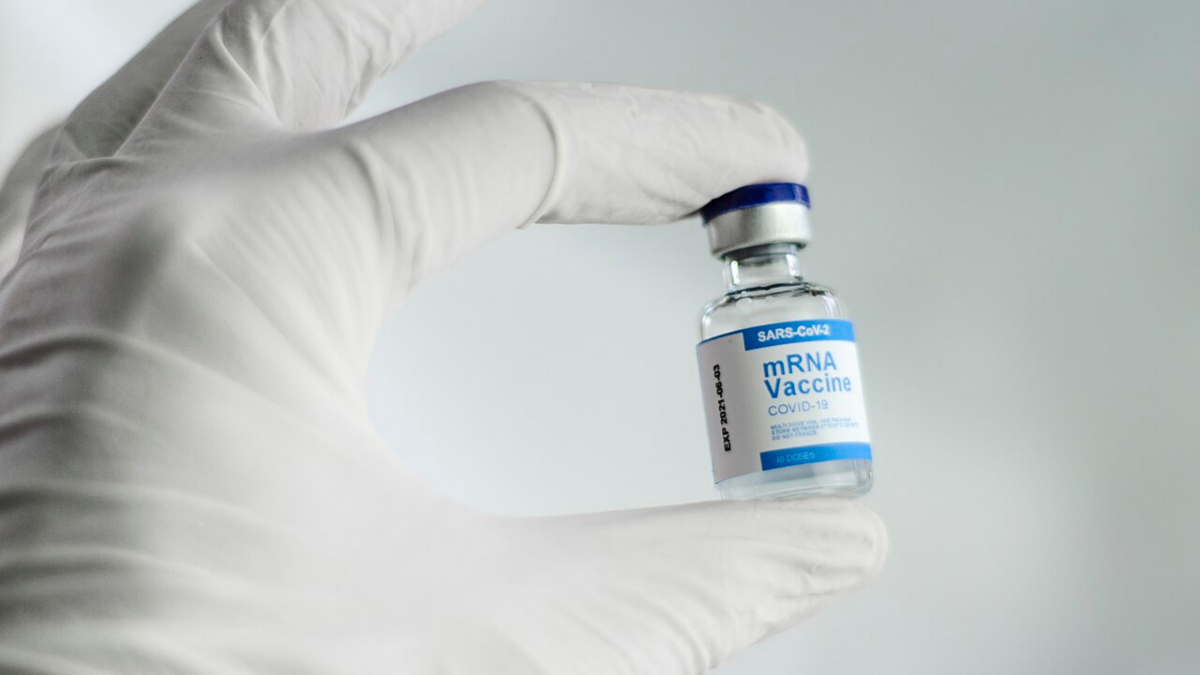
    A new survey by KFF, an independent health policy research firm, suggests that people who rely on social media and AI chatbots for health advice are more likely to believe false claims about vaccines.

    The poll asked 2,480 US adults about their use of social media apps and AI chatbots for health information, as well as their beliefs about MMR (measles, mumps, and rubella) and COVID-19 vaccines. KFF found that respondents who reported weekly (or more frequent) health-related social media use had higher levels of belief in at least one vaccine myth than those who never used social platforms for health information. A similar pattern appeared among those who regularly use AI chatbots for health purposes; those who do are more likely to believe in vaccine misinformation than those who don’t, the study suggested.

    KFF’s poll was inspired by research into the false yet pervasive claims that MMR vaccines cause autism or are riskier than measles itself, as well as the myth that more people died from COVID-19 vaccines than from the actual virus. Another common vaccine belief? That mRNA (Messenger RNA) vaccines alter a person’s DNA.

    While the survey found that many adults have heard these claims, between 33% and 41% believe they are untrue (depending on the myth). KFF says “at least half fall in the ‘malleable middle,’ saying each of these claims is either ‘probably true’ or ‘probably false.'” Among those who use social media or AI to seek health information, however, 37% believe MMR vaccines are “probably” a cause of autism, and another 16% think that is “definitely true.”

    KFF also found that adults who say they have a trusted doctor or clinician report lower belief in vaccine myths than those who do not. Parents who delay or skip childhood vaccines, meanwhile, show firmer belief in vaccine myths than parents who vaccinate their children on schedule.

    Advice common health online seek study trust Vaccines Youre
    Share. Facebook Twitter Pinterest LinkedIn Tumblr Email
    kirklandc008@gmail.com
    • Website

    Related Posts

    Countries Seek to Curb Social Media Addiction for Kids.

    September 14, 2026

    Clearview AI Is Testing an AI Tool That Would Let Cops Unearth Your Life Online

    September 10, 2026

    Pangram Has Emerged as the Gold Standard of AI Detection. Should You Trust It?

    September 2, 2026
    Leave A Reply Cancel Reply

    Top Posts

    Nothing CEO says phone prices are going to keep going up

    June 12, 20267 Views

    The best VPN routers of 2026: Expert tested and reviewed

    June 14, 20263 Views

    Google DeepMind Plans to Track AGI Progress With These 10 Traits of General Intelligence

    March 21, 20263 Views
    Stay In Touch
    • Facebook
    • YouTube
    • TikTok
    • WhatsApp
    • Twitter
    • Instagram
    Latest Reviews

    Subscribe to Updates

    Get the latest tech news from FooBar about tech, design and biz.

    Recent Posts
    • AI models need more data about biology, and OpenAI is paying to create it
    • Single CAR T Injection Eases Multiple Sclerosis Symptoms in Small Trial
    • AI ‘Actor’ Tilly Norwood Told Me That ‘All Lives Matter’
    • Roundtables: Could AI really kill us all?
    • How Elon Musk and Tesla Forged a New EV Path

    AI models need more data about biology, and OpenAI is paying to create it

    September 16, 2026

    Single CAR T Injection Eases Multiple Sclerosis Symptoms in Small Trial

    September 15, 2026

    AI ‘Actor’ Tilly Norwood Told Me That ‘All Lives Matter’

    September 15, 2026

    Roundtables: Could AI really kill us all?

    September 15, 2026
    Facebook X (Twitter) Instagram Pinterest
    • About Us
    • Contact Us
    • Privacy Policy
    • Terms and Conditions
    • Disclaimer
    © 2026 TechNovaMindset. Designed by By Pro.

    Type above and press Enter to search. Press Esc to cancel.