

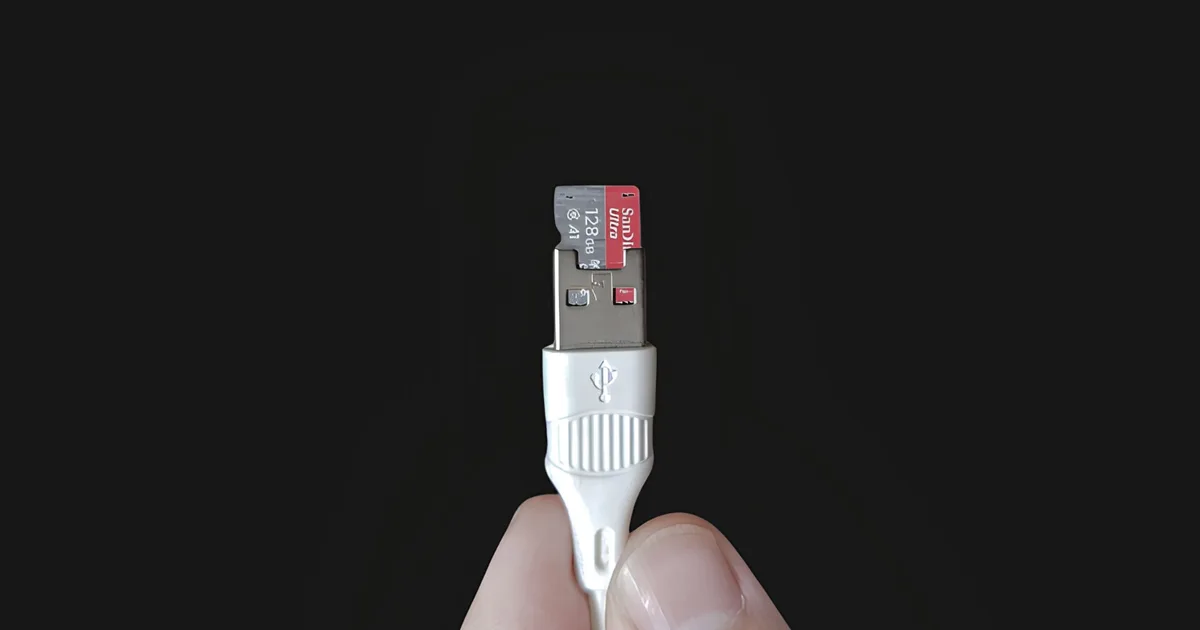

At first glance, it looks like a regular USB cable. But a new Kickstarter project called Hacknect is trying to turn something as ordinary as a charging cable into a surprisingly powerful hacking and automation device. The product is being pitched toward ethical hackers, cybersecurity researchers, developers, and automation enthusiasts. Hidden inside the cable is a tiny Wi-Fi-enabled computer powered by an ESP32-S3 chip, allowing it to do far more than simply charge a phone or transfer files.
According to the Kickstarter campaign, Hacknect can remotely execute scripts, automate tasks, emulate keyboard inputs, and even store hidden files through a built-in microSD card slot. Users can reportedly control the cable wirelessly through a browser dashboard or smartphone.
In simple terms, once plugged into a computer, the cable can pretend to be a keyboard and automatically type commands or launch scripts. That’s why many people are comparing it to tools like the USB Rubber Ducky and O.MG Cable, which are already popular in cybersecurity circles for penetration testing and security training.
Why is a cable like this turning heads
The interesting part is not just what Hacknect can do – it’s how invisible it looks while doing it.
Cybersecurity tools used to look like developer hardware or bulky gadgets. Now, they’re increasingly being disguised as everyday objects. A charging cable that secretly contains a wireless hacking platform feels like something out of a spy movie, which is exactly why projects like this grab attention so quickly online.
Hacknect Kickstarter
For professionals, there are legitimate uses. Security teams often use devices like these to test whether employees can detect malicious USB devices or to simulate real-world cyberattacks during training exercises. Automation enthusiasts can also use them for repetitive workflows, scripting, or remote device management.
But there’s also an uncomfortable side to this conversation.
Because the cable looks completely normal, critics argue that the same features could potentially be abused if used irresponsibly. A device capable of remotely injecting commands into a computer naturally raises concerns about unauthorized access and physical cybersecurity threats.
What makes devices like Hacknect dangerous is how easily they blend into everyday life. Most people would never suspect that a normal-looking charging cable could secretly execute commands, inject keystrokes, or remotely communicate over Wi-Fi. That creates a major trust problem around physical device security.
In the wrong hands, tools like this could potentially be used to steal data, install malicious software, or gain unauthorized access to systems without immediately raising suspicion. Since the cable appears completely ordinary, victims may plug it into personal laptops, office systems, or shared computers without thinking twice. Cybersecurity experts have long warned that physical hardware attacks are becoming harder to detect – and products like this show why.
The bigger trend behind it
Hacknect also reflects a larger shift happening in cybersecurity right now. As software defenses become stronger, researchers and attackers alike are paying more attention to hardware-based attack methods.
At the same time, Western companies are increasingly paying attention to the hardware innovation happening in smaller developer communities and independent tech projects. Crowdfunding platforms like Kickstarter have become a launchpad for niche cybersecurity gadgets that might once have stayed hidden inside underground forums or specialist circles.
Hacknect Kickstarter
That said, products like this still sit in a gray area. The creators heavily market Hacknect as an ethical hacking and educational tool, but like most cybersecurity hardware, the intent behind how it’s used matters far more than the gadget itself.
And while it may look like an ordinary cable sitting on a desk, Hacknect is a reminder that modern cybersecurity threats are starting to hide in plain sight.
