


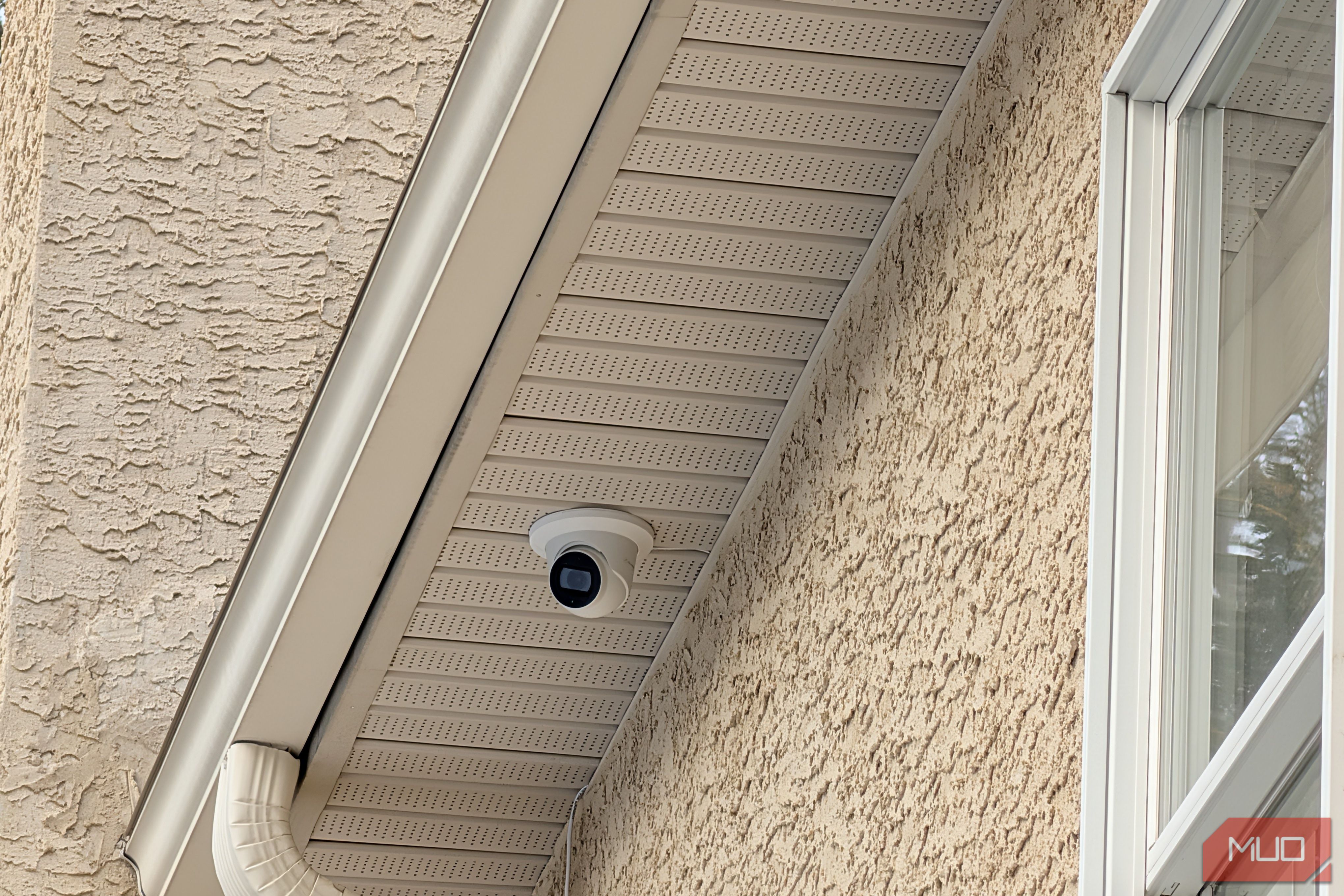
If you’re looking for a home security camera, and you want something more robust than a Ring or Nest Wi-Fi camera (or you need something more elaborate than re-purposing an old phone into a free security camera), you’re probably looking at hardwired solutions that use Power over Ethernet (POE).
However, there is one huge POE camera company you should avoid buying from.
Hikvision’s cameras pose a security risk, and while many have been sold on Amazon and at other big-box retailers, this Chinese manufacturer has been flagged by the government as a security risk—and that’s something to take seriously, as it could impact your home.
Stay away from cameras made by Hikvision
They are not NDAA-compliant, but are sold everywhere
Credit: IPVM.com
Hikvision is one of the biggest manufacturers of PoE cameras in the world. They make the hardware for dozens of brands, many of which are available on Amazon or at wholesale clubs (for example, the Lorex, Swann, and Night Owl brands sold at Costco are made by Hikvision).
Hikvision is a major security risk because it is not compliant with the National Defense Authorization Act (NDAA), which makes it vulnerable to security issues such as remote code execution and may contain backdoors that allow bad actors (including the Chinese government) to eavesdrop on your cameras.
The reason you’d want a PoE camera instead of a standard Wi-Fi camera is that PoE cameras are hardwired and draw both data and power from a single cable. Hardwired systems of any kind are usually more secure because bad actors cannot remotely access the devices without gaining physical access to the access point the cameras plug into. Wireless systems can be easily compromised with inexpensive wireless jamming devices. All commercial camera systems are hardwired, so why shouldn’t your home security be too?
Also, be aware of Dahua
Credit: Speco
Another manufacturer you need to be aware of that is not NDAA compliant is Dahua. They make brands such as Speco, Amcrest, EmpireTech, and even some Honeywell cameras. Like Hikvision, Dahua cameras could contain backdoors that make them insecure.
What about Wi-Fi cameras like Ring, Nest, and Arlo?
Wireless cameras are convenient but have weak security
Credit: Brandon Miniman / MakeUseOf
It might be tempting to go with a wireless camera system like Ring or Nest, but note that Wi-Fi cameras are generally considered insecure because a cheap Wi-Fi jammer can instantly disable their ability to record video. It’s much better to go with a PoE camera system if you want the utmost in speed, reliability, and security; however, PoE cameras are more difficult to PoE cameras are more difficult to hide.
That said, the Wi-Fi camera models from major brands like Ring, Nest, and Arlo are generally regarded as safe (despite being vulnerable to Wi-Fi jammers, as mentioned), and if you own one of those, you probably don’t need to worry. Or, you can go with a cloud-free wireless solution from Reolink.
Avoid cameras that might lose support in the future
Don’t be like me
Credit: Brandon Miniman / MakeUseOf
Back in 2010, Logitech (maker of some of the world’s best peripherals, as you know) launched a PoE camera system called Logitech Alert. I spent hundreds on these cameras, back before Ring and Arlo cameras were available. I put these Alert cameras all over my home and loved how I could use the web or app to see live camera feeds from around my house. They were truly ahead of their time. But by 2017, Logitech ended support for Alert, and all my cameras went dark. I was left with literally six expensive cameras that were dead.
The takeaway? Don’t buy security cameras from a company that might not stick with the product (because, for example, Logitech sells millions of amazing mice and keyboards and doesn’t want to be in the home security business) because keeping the service up and running is expensive from a server and bandwidth perspective that nascent (or distracted) companies cannot and will not afford to keep going, leaving you with camera paperweights.
Related
The 6 Most Vulnerable Devices In Your Home—and How to Secure Them
Your home is packed with internet-connected devices, but are they all secure from hackers, scammers, and other threats?
What do I use now? I’ve switched all my cameras to a PoE system from Alarm.com, installed by a professional home security company in my area. This was a bit more expensive than using a bunch of Ring cameras, but the security is more robust, and since it’s PoE, the reliability is robust.
Be smart about which security cameras you buy
I realize it’s easy to pull up Amazon and just buy the highest-rated value camera security system. While you’re safe going with a major brand backed by big tech like Arlo, Nest, or Ring, many of the brands you see might be made by Hikvision or Dahua, which you should avoid due to not being NDAA-compliant. One simple way to tell is to search online for “is [brand] made by Hikvision?” as you won’t be able to tell from the Amazon product page.
