




Summary
- ASUS and Qualcomm have announced the ASUS Ascent QN10 mini PC.
- The machine targets prosumers, developers, and businesses needing multi-core performance in a compact form factor.
- The Accent QN10 should be an excellent Windows answer to the Mac Mini.
On June 1, ASUS and Qualcomm announced the ASUS Ascent QN10 — the first mini PC powered by the Snapdragon X2 Elite.
Related
I tried to find a Windows rival to the Mac Mini M4 and the answer surprised me
I really thought PCs were the less expensive option
Introducing the ASUS Ascent QN10
Big performance in a small package
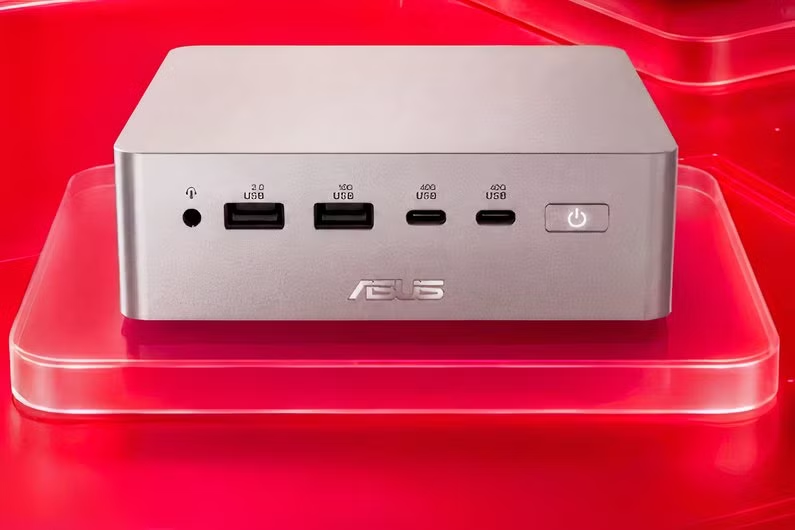
The ASUS Ascent QN10 is the first mini PC featuring the Snapdragon X2 Elite (which is a powerhouse). The Ascent QN10 seems designed to compete directly with the Mac Mini, and it’ll likely do an excellent job.
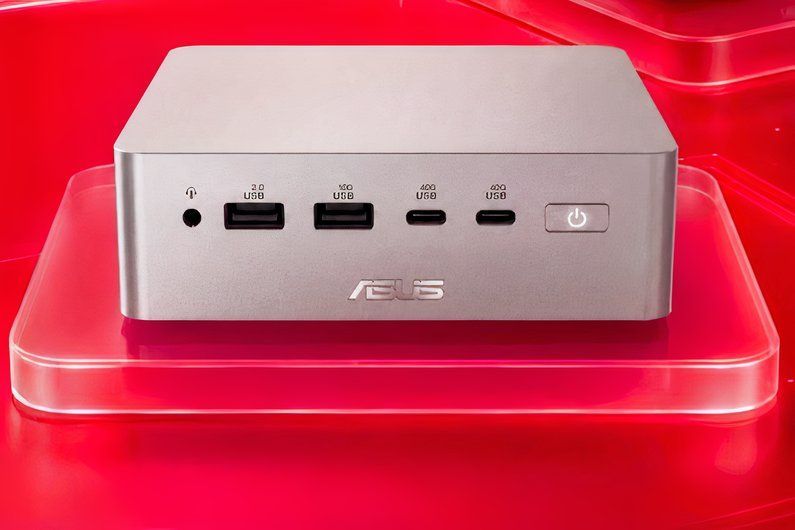
Details remain sparse, but we know the QN10 features a small but useful array of ports:
- 2x 40G USB-C ports
- A 10G USB-A port
- A USB 2.0 port
- A headphone jack
Who it’s for
The machine is being targeted at three main groups:
- Prosumers: Consumers who want as much power and performance as possible for hobbies or other pursuits will likely love the compact and powerful QN10. It takes up less space than a big tower, but you still have the advantage of being able to choose your monitor. That’s a bigger deal than you might think — nothing beats an ultrawide for productivity.
- Developers: The X2 Elite’s powerful multi-core performance is excellent for compiling big projects and powering virtual machines. The AI capabilities should also make it ideal for tools like Claude Code, though this will also depend on what RAM configurations are available.
- Businesses: The X2 Elite gives plenty of overhead for standard office tasks, with a ton of extra oomph for video editing and other intensive tasks. Plus, it’s tiny, so desks can stay clean.
This could be a real Mac Mini rival
A lot will depend on the price, though
The Ascent QN10 could be a big deal. The Mac Mini is popular for several reasons — it’s compact, quiet, and powerful. The X2 Elite competes very well with Apple Silicon: the Snapdragon generally wins on multi-core and AI performance, while Apple generally offers better single-core and graphics performance (though it depends a bit on the specific chips you’re comparing). Of course, if you want Windows in this form factor, the ASUS becomes a no-brainer. It’ll also likely be a great pick for video work, if you don’t mind giving up macOS.
This story is developing… stay tuned for more details.


