

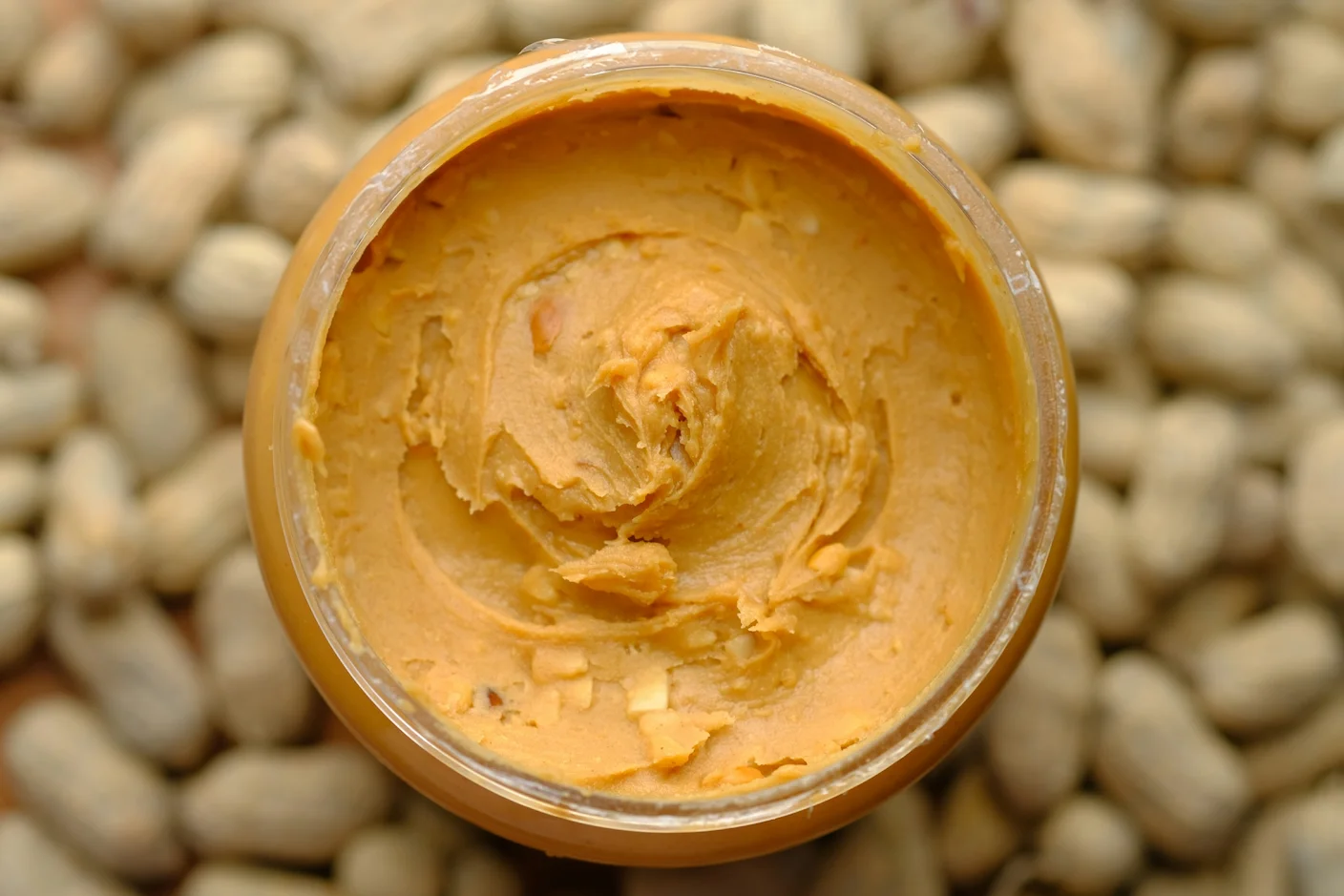
‘Tis the season for overindulgence. But for people with allergies, holiday feasting can be strewn with landmines.
Over three million people worldwide tiptoe around a food allergy. Even more experience watery eyes, runny noses, and uncontrollable sneezing from dust, pollen, or cuddling with a fluffy pet. Over-the-counter medications can control symptoms. But in some people, allergic responses turn deadly.
In anaphylaxis, an overactive immune system releases a flood of inflammatory chemicals that closes up the throat. This chemical storm stresses out the heart and blood vessels and limits oxygen to the brain and other organs.
Early diagnosis, especially of shellfish or nut allergies, helps people avoid these foods. And in an emergency, EpiPens loaded with epinephrine can relax airways and save lives. But the pens must be carried at all times, and patients—especially young children—struggle with this.
An alternative is to train the immune system to neutralize its over-zealous response. This month, a team from the University of Toulouse in France presented a long-lasting treatment that fights off anaphylactic shock in mice. Using a vaccine, they rewired part of the immune system to battle Immunoglobulin E (IgE), a protein that’s involved in severe allergic reactions.
A single injection into mice launched a tsunami of antibodies against IgE, and levels of those antibodies remained high for at least 12 months—which is over half of a mouse’s life. Despite triggering an immune civil war, the mice’s defenses were still able to fight a parasitic infection. The vaccine is, in theory, a blanket therapy for most food allergies, from peanuts to shellfish.
Although it needs more testing before clinical trials, the treatment is a “very enticing therapeutic candidate that fills an important need,” wrote Danielle Libera at McMaster University and colleagues, who were not involved in the study.
Double Agent
An army of immune cells roams our bodies to surveil and fight off invaders. When the system detects danger—pathogens, cancer cells, or foreign organs—it springs into action.
Some cells locate the threat and act as a beacon to other immune troops. T cells activate and physically lock onto a target, releasing toxic chemicals that punch holes in the invader’s protective membrane. B cells send in tailored antibodies to further neutralize the enemy.
But sometimes the well-oiled immune machine goes awry. Allergies are caused by friendly fire from B cells as they churn out antibodies to suit the body’s needs. Immunoglobulin G (IgG) provides overall immune support. Immunoglobulin A (IgA) protects the lining of the gut and lungs. IgE fights off parasites—and also triggers severe allergic reactions.
In food allergies, for example, allergens in the gut trigger B cells to switch antibody production from IgG to allergen-specific IgE. In the bloodstream, IgE meets up with mast cells, sensitizes them to the allergen, and keeps them on high alert.
If the person eats food containing the same allergen again, the allergen grabs onto these sensitized cells and prompts them to release a deluge of chemicals, such as histamines.
Cue immediate symptoms: Blood vessels dilate and leak, causing flushing, swelling, and a sudden drop in blood pressure. Smooth muscles contract and restrict airways. Mast cells recruit more immune fighters, and mucus and inflammation in the lungs skyrocket.
EpiPens immediately counteract some of these responses and provide valuable time for more intensive treatment. But patients must have one nearby, and the pens aren’t preventative. In 2024, the US FDA approved an antibody therapy that lowers IgE in the body after accidental allergen exposure as a preventative measure. But the treatment requires an injection every two to four weeks, is costly, and ironically, can inadvertently trigger anaphylaxis in some people.
Self-Made Solution
Instead of injecting an antibody against IgE, why not coax the body to make its own?
The idea was first pitched in the early 1990s. But there were roadblocks, side effects being most notable. Earlier attempts at an IgE vaccine unexpectedly activated mast cells and triggered runaway immune reactions. The immune system also rapidly adapted. Newly formed IgE antibodies can be tagged as invaders, resulting in a counterattack that depletes levels of the antibodies levels over time.
However, the authors of the latest study had access to a wealth of new information. Atomic-level scans revealed that IgE toggles between two states. In an “open ” state, IgE grabs onto mast cells and allergens, forming a bridge that triggers allergic responses. But some antibodies can lock IgE into a “closed” state where it no longer connects with mast cells, severing the anaphylactic cascade.
The team engineered a vaccine using these antibodies to keep IgE in its closed state. The vaccine also stimulates the immune system to produce high levels of the antibodies.
Called IgE-K, the vaccine protected mice from multiple allergic reactions, including to peanuts, and completely prevented anaphylaxis. Two vaccine doses produced persistent antibodies that lasted for a year at sufficiently high amounts to ward off additional allergic reactions.
The results indicate that IgE-K may overcome depletion and establish a long-term antibody reservoir, wrote Libera and colleagues. It’s an especially promising strategy for food allergies that are lifelong in more than 80 percent of affected people.
Although the vaccine dampened IgE activity, it didn’t interfere with the antibody’s ability to clear parasites. Vaccinated mice knocked out a worm infection similarly to their non-treated peers. However, the experimental model relied on mast cells to fight off the infection as opposed to IgE per se. The team is now exploring the vaccine’s impact on other parts of the immune system, especially the B-cells in charge of making antibodies.
The study is a first step. But if all goes well, kids with severe allergies could have their PB&J and eat it too.
