
Close Menu
Tech Nova Mindset – Empower Innovation and Forward Thinking

    Subscribe to Updates

    Get the latest creative news from FooBar about art, design and business.

    What's Hot

    Anthropic Says Claude Hacked 3 Organizations During Cybersecurity Tests

    July 31, 2026

    Indigenous Fiber Network Connects Remote Subarctic Towns

    July 31, 2026

    Everyone Is Freaking Out About OpenAI and Anthropic’s Race for Dominance

    July 31, 2026
    Facebook X (Twitter) Instagram
    Trending
    • Anthropic Says Claude Hacked 3 Organizations During Cybersecurity Tests
    • Indigenous Fiber Network Connects Remote Subarctic Towns
    • Everyone Is Freaking Out About OpenAI and Anthropic’s Race for Dominance
    • A fundamental flaw leaves LLMs strikingly vulnerable to attack
    • IEEE Publishing Ethics Team Upholds Research Integrity
    • Why a Tiny Social Media Post Has Mathematicians Rethinking AI
    • Nvidia’s Open Source Alliance Snubs OpenAI and Anthropic
    • Montana’s plan to become an experimental medical hub just pushed forward
    Tech Nova Mindset – Empower Innovation and Forward Thinking
    • Home
    • Gadgets
    • Reviews
    • Tech News
    • Future Tech
    • AI & Robotics
    • How-To Guides
    • More
      • Cybersecurity
      • Startups & Innovation
    Tech Nova Mindset – Empower Innovation and Forward Thinking
    Home»Tech News»NASA’s Swift Boost Mission Will Launch Later This Month To Rescue A Falling Telescope
    Tech News

    NASA’s Swift Boost Mission Will Launch Later This Month To Rescue A Falling Telescope

    kirklandc008@gmail.comBy kirklandc008@gmail.comJune 20, 2026No Comments2 Mins Read
    Facebook Twitter Pinterest LinkedIn Tumblr Email
    NASA's Swift Boost Mission Will Launch Later This Month To Rescue A Falling Telescope
    Share
    Facebook Twitter LinkedIn Pinterest Email

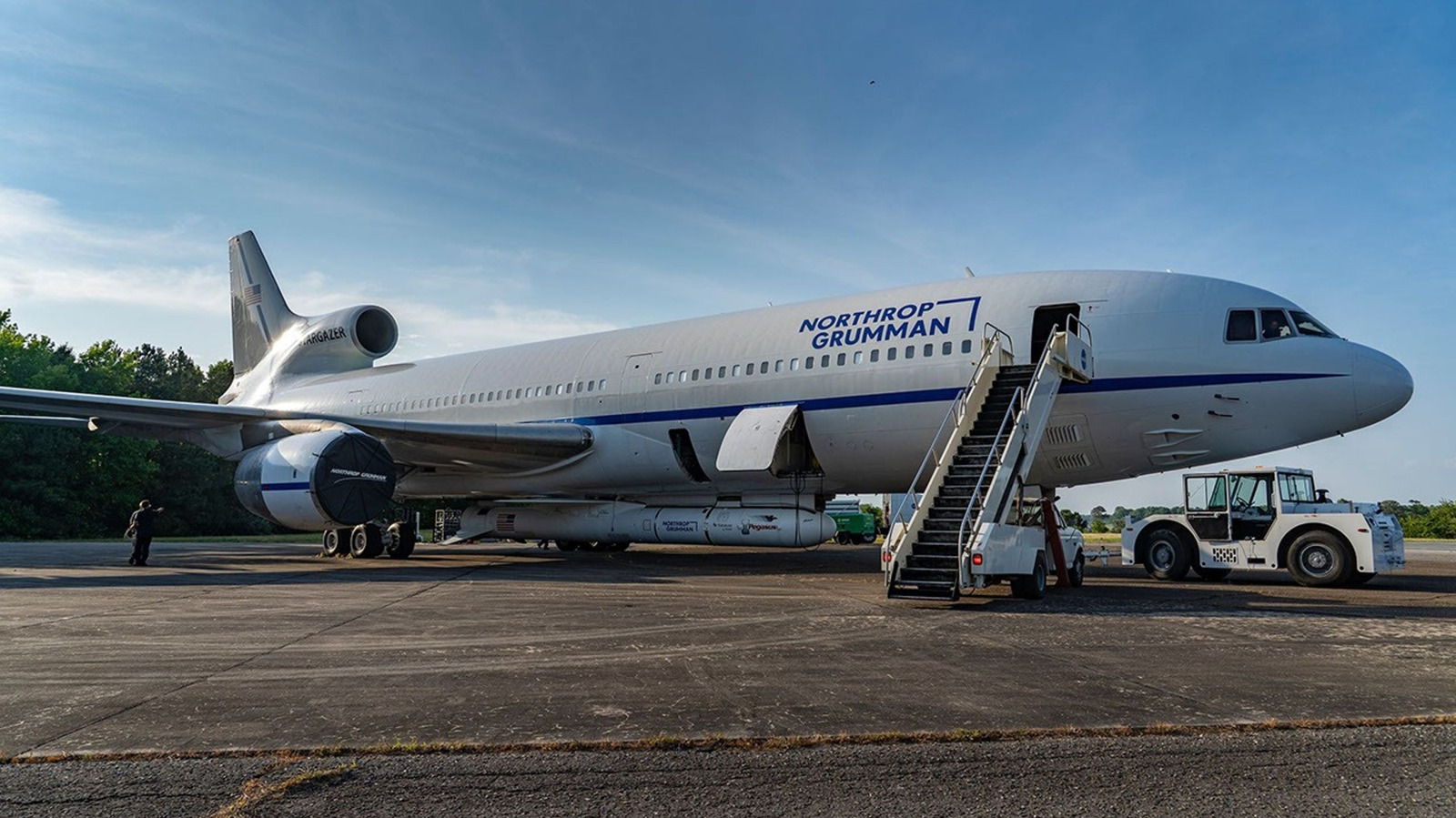
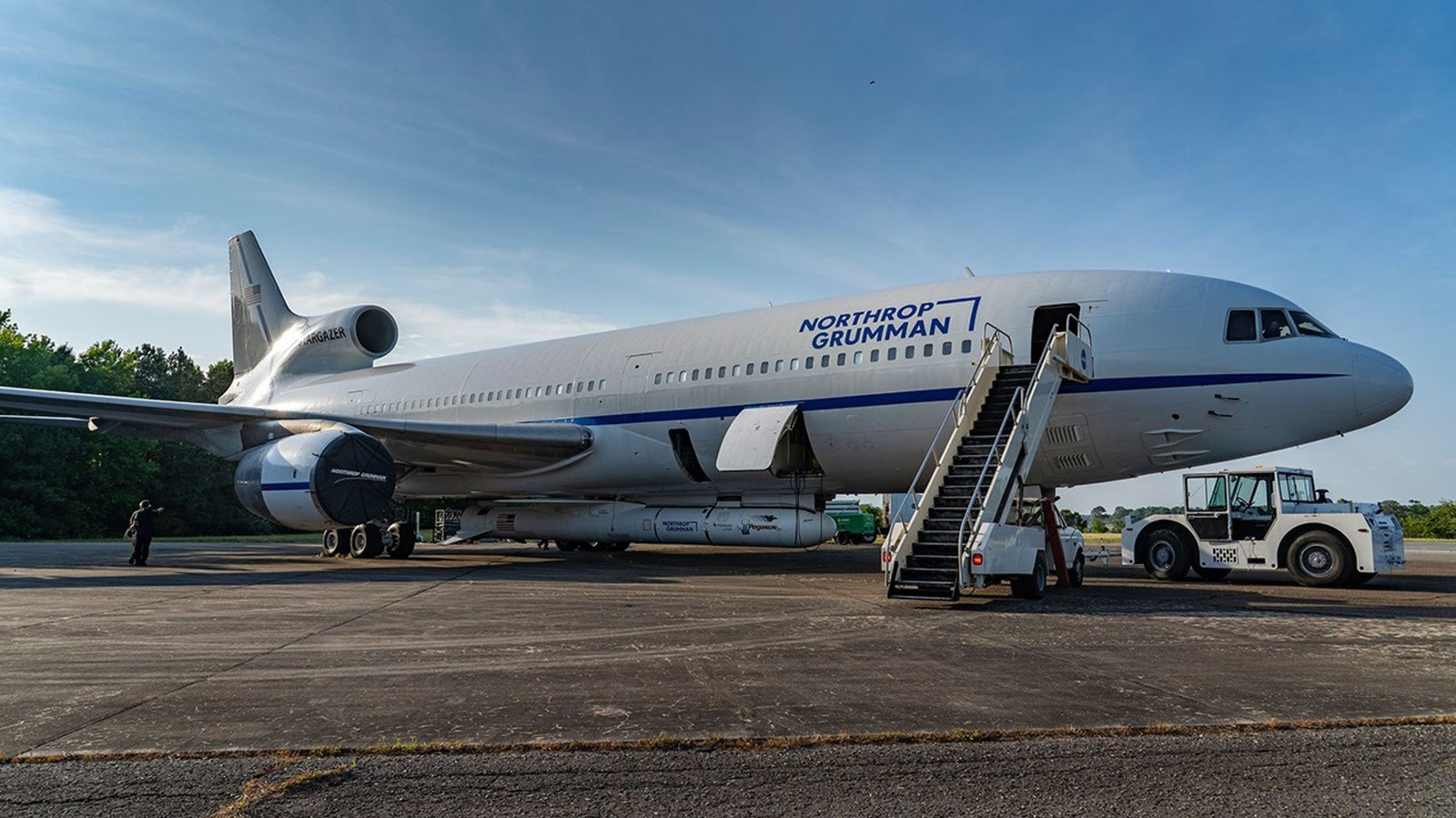
    The Swift Boost rescue mission will soon head to space.


    NASA/Ron Beard

    The NASA Swift Boost mission is on track to launch later this month to rescue the Neil Gehrels Swift Observatory, whose orbit is decaying faster than anticipated. In other words, the space telescope is falling is too fast, and the agency intends to rendezvous with it and keep it in space for a few more years than it would have lasted without intervention. According to the publication Space, launch has been set for June 27.

    NASA teamed up with Arizona company Katalyst Space last year to build LINK, a robotic spacecraft designed to dock with the observatory and tug it to a higher orbit. On June 9, engineers at NASA’s Wallops Flight Facility in Virginia finished installing LINK to a Northrop Grumman Pegasus XL rocket. A few days later, on June 12, they attached the rocket to the belly of a Northrop Grumman plane called Stargazer. The plane left Wallops on June 18 for Kwajalein Atoll in the South Pacific Ocean where it will take off in a week’s time. 

    Stargazer will carry Pegasus XL to an altitude of around 40,000 feet before releasing it in the air. The rocket will free fall for a few seconds before firing its motors and delivering LINK to space in approximately 10 minutes. While all satellites in orbit lose altitude over time, the Swift telescope’s orbital decay has been faster than most. NASA explains that it’s because the observatory has been experiencing more atmospheric drag than anticipated due to recent increases in the sun’s activity. 

    “Given how quickly Swift’s orbit is decaying, we are in a race against the clock, but by leveraging commercial technologies that are already in development, we are meeting this challenge head-on,” said NASA’s Shawn Domagal-Goldman when the agency’s partnership with Katalyst was announced. 

    The Swift telescope launched in 2004 to study gamma-ray bursts, though it’s now being used as a general-purpose multi-wavelength observatory. NASA says Swift serves as a “dispatcher” when a sudden event takes place in the universe, providing critical information that allows other observatories to follow up and learn more. For instance, it detected the location of an X-ray source, which turned out to be a 13-billion-year-old supernova, based on the data that was subsequently gathered by other observatories like the James Webb telescope. 

    Boost falling launch mission Month NASAs rescue Swift Telescope
    Share. Facebook Twitter Pinterest LinkedIn Tumblr Email
    kirklandc008@gmail.com
    • Website

    Related Posts

    The Download: NASA’s new space telescope and OpenAI’s autonomous hacker

    July 22, 2026

    Shape-shifting mirrors on NASA’s new space telescope could unveil Jupiters like our own

    July 22, 2026

    Space Launch Costs Have Fallen 96% Since 1960. They Aren’t Done Yet.

    July 20, 2026
    Leave A Reply Cancel Reply

    Top Posts

    Nothing CEO says phone prices are going to keep going up

    June 12, 20267 Views

    Google DeepMind Plans to Track AGI Progress With These 10 Traits of General Intelligence

    March 21, 20263 Views

    The AirPods 4 and Lego’s brick-ified Grogu are our favorite deals this week

    October 12, 20253 Views
    Stay In Touch
    • Facebook
    • YouTube
    • TikTok
    • WhatsApp
    • Twitter
    • Instagram
    Latest Reviews

    Subscribe to Updates

    Get the latest tech news from FooBar about tech, design and biz.

    Recent Posts
    • Anthropic Says Claude Hacked 3 Organizations During Cybersecurity Tests
    • Indigenous Fiber Network Connects Remote Subarctic Towns
    • Everyone Is Freaking Out About OpenAI and Anthropic’s Race for Dominance
    • A fundamental flaw leaves LLMs strikingly vulnerable to attack
    • IEEE Publishing Ethics Team Upholds Research Integrity

    Anthropic Says Claude Hacked 3 Organizations During Cybersecurity Tests

    July 31, 2026

    Indigenous Fiber Network Connects Remote Subarctic Towns

    July 31, 2026

    Everyone Is Freaking Out About OpenAI and Anthropic’s Race for Dominance

    July 31, 2026

    A fundamental flaw leaves LLMs strikingly vulnerable to attack

    July 31, 2026
    Facebook X (Twitter) Instagram Pinterest
    • About Us
    • Contact Us
    • Privacy Policy
    • Terms and Conditions
    • Disclaimer
    © 2026 TechNovaMindset. Designed by By Pro.

    Type above and press Enter to search. Press Esc to cancel.