


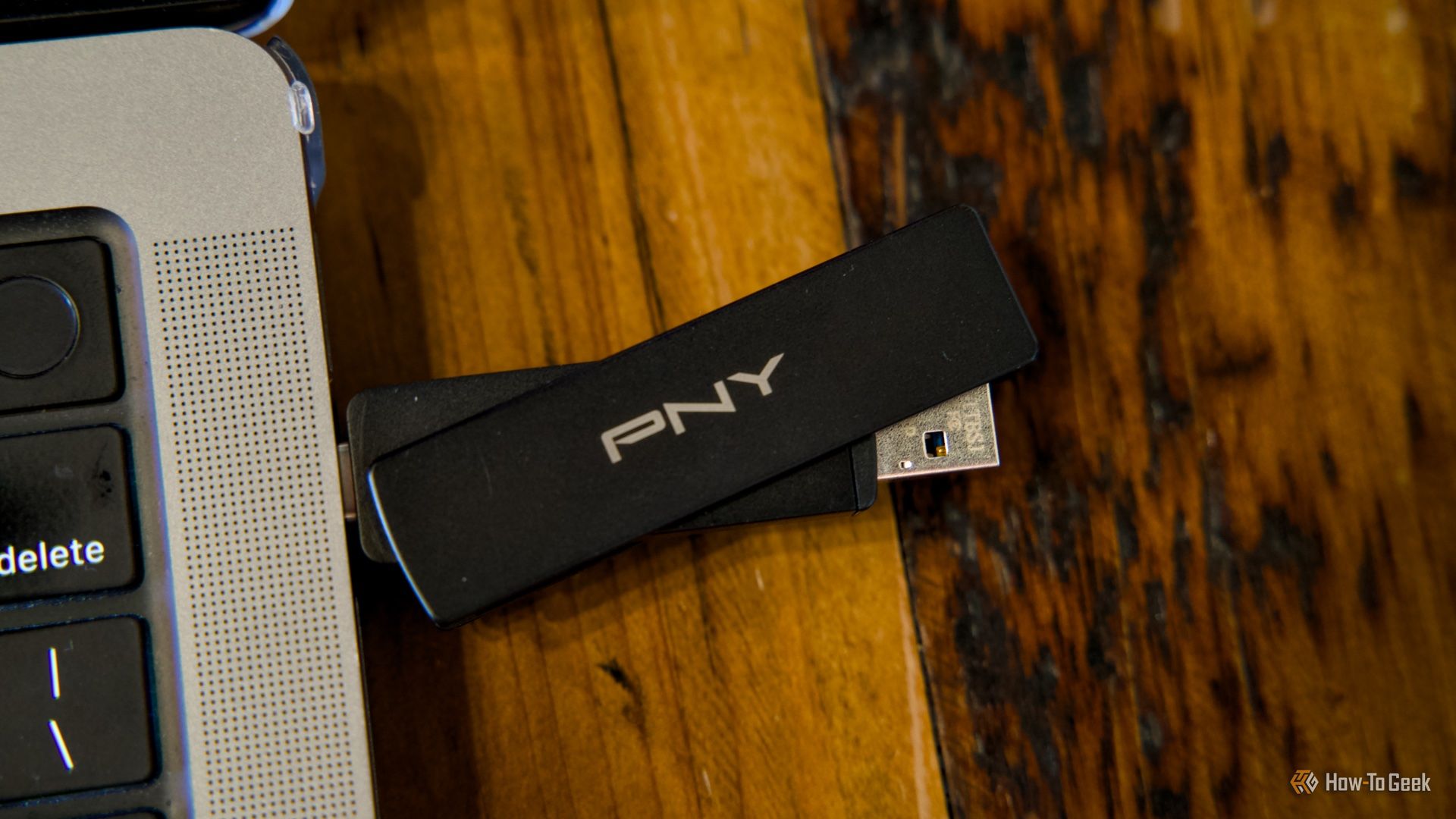
Moving files between computers is such an obvious thing to do now. You can use a USB flash drive. You can just email them if they’re small. Cloud storage is, obviously, awesome for this type of thing. Let’s not forget all the random files that get sent over WhatsApp, Discord, or Messenger.
But before any of that was a thing, before USB flash drives were common or existed at all, files still had to move from one place to another … and you couldn’t just drag a folder onto a USB stick and call it a day.
Before USB became the obvious answer, there were a few “easy” options that made sense at different points in time.
Floppy disks were the simple answer
I miss them a lot sometimes
It’s pretty wild to think that a not-insignificant percentage of today’s workforce has never had to use a floppy disk in their lifetime. And yet, floppy disks remain synonymous with saving something, and the floppy-shaped save icon is still present all over the tech world.
As far as portable storage goes, floppy disks were about as straightforward as it got at the time. You saved the file, popped the disk out, carried it to another computer, and voila. All done. Compared to everything that came later, floppies were incredibly limited, but the actual process of transferring files was super simple.
That simplicity was what made them so good. It was, perhaps, the only thing that made them really good.
A standard 3.5-inch floppy only held 1.44MB, which is laughable by today’s standards, but it was enough for documents, tiny images, spreadsheets, and stuff like that back in those days.
The problems started creeping up when the files got bigger and the floppies didn’t.
I still miss floppy disks sometimes, even though I know I’m only really missing the idea of them. I would have absolutely zero use for one right now, but still, there was something satisfying about labeling a disk and then hearing that angry little drive noise when the PC tried to read it.
Iomega Zip disks fixed the capacity problem
Do you remember these?
Credit: Pedant01 / Wikimedia Commons
Iomega Zip drives were such a cool piece of tech, and yet, they met their untimely demise. They now belong in the tech graveyard.
Zip disks were a natural upgrade from floppy disks. They were actually basically the same thing with so much more breathing room. You still had a physical disk, you still carried it between computers, and you still used it as removable storage. The difference was that a Zip disk could hold way more than a floppy, which made it feel far more useful once the files started getting bigger. Which, obviously, they very much did.
That was the whole appeal. Instead of trying to cram a project onto 10 different floppies, you could use one Zip disk and actually have space left over. That made them handy for bigger documents, early digital photos, design files, and anything else that a floppy disk couldn’t dream of.
The catch was, of course, that Zip disks needed Zip drives. If you had one at home and another elsewhere, awesome. If not, you were just carrying a chunky disk that the other PC couldn’t do anything with.
Related
Your motherboard has a hidden storage limit that has nothing to do with gigabytes
Stop buying more SSDs until you check this annoying motherboard restriction
CD-R and CD-RW discs made big file transfers attainable
Burning files eventually became convenient
Credit: Jordan Gloor / How-To Geek
I’d wager that some of the readers didn’t have to use floppies, but I’m sure most, if not all of us, remember CDs. I mean, CDs are still very much a thing, although laptop makers would like to make us believe otherwise. But we now have a great alternative in USB, although there was a time when CDs were the go-to for file transfers.
CDs made it possible to move a lot of data without needing some niche drive on the other end, which is more than can be said about Zip drives. CDs were everywhere, so if you burned a disk properly, there was a near-guaranteed chance that the other PC would be happy to read it.
CD-Rs were the more committed option. Once you burned files onto them, that was basically that, which made them great for handing off a finished project or something you would never want to change. CD-RW discs were more flexible because you could erase and reuse them.
The process was less intuitive than USB drives are now, though. You had to use burning software, wait for the disc to finish, and then hope the burn actually went perfectly.
USB drives didn’t invent portable file transfers
Obviously, USB flash drives didn’t exactly invent the concept of transferring files from point A to point B. They just took the best parts of all those older methods and removed the nuisance (for the most part). I have a whole bunch of USB flash drives and I appreciate them loads, but I never use them for backups.
