
Close Menu
Tech Nova Mindset – Empower Innovation and Forward Thinking

    Subscribe to Updates

    Get the latest creative news from FooBar about art, design and business.

    What's Hot

    A US-China AI Hotline Won’t Be Ready For a While

    September 23, 2026

    A congressional representative just proposed killing America’s border tower program

    September 23, 2026

    Parents Guide Kids to Top Engineering Skills In AI Age

    September 23, 2026
    Facebook X (Twitter) Instagram
    Trending
    • A US-China AI Hotline Won’t Be Ready For a While
    • A congressional representative just proposed killing America’s border tower program
    • Parents Guide Kids to Top Engineering Skills In AI Age
    • Meta’s Muse AI Assistant Rolled Out With a Serious Security Flaw
    • The Download: India’s smart glasses menace and AI’s trillion-dollar gamble
    • AT&T Is Automating Away Jobs—and Its Old Telecom Empire
    • Smart glasses are already causing havoc in India
    • Viture’s Vonder Glasses Are Meant to Map Your Mind
    Tech Nova Mindset – Empower Innovation and Forward Thinking
    • Home
    • Gadgets
    • Reviews
    • Tech News
    • Future Tech
    • AI & Robotics
    • How-To Guides
    • More
      • Cybersecurity
      • Startups & Innovation
    Tech Nova Mindset – Empower Innovation and Forward Thinking
    Home»Future Tech»How does type 1 diabetes actually work?
    Future Tech

    How does type 1 diabetes actually work?

    kirklandc008@gmail.comBy kirklandc008@gmail.comFebruary 18, 2026No Comments3 Mins Read
    Facebook Twitter Pinterest LinkedIn Tumblr Email
    How does type 1 diabetes actually work?
    Share
    Facebook Twitter LinkedIn Pinterest Email

    This video is part of “Innovations In: Type 1 Diabetes,” an editorially independent special report that was produced with financial support from Vertex.

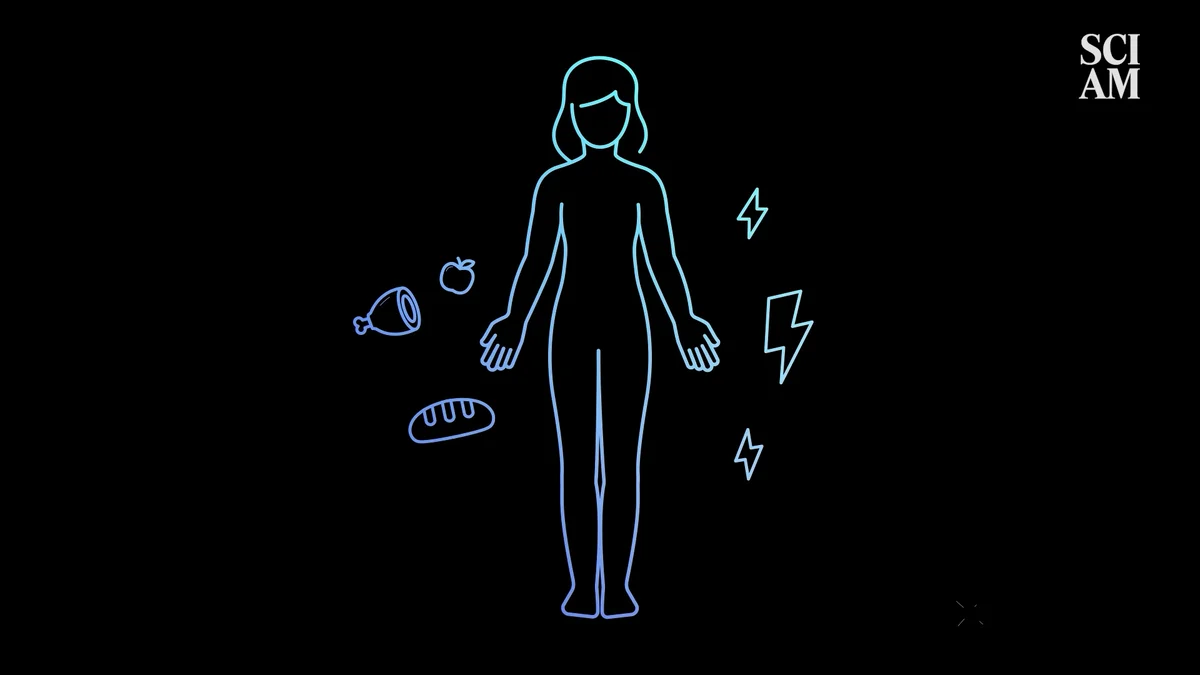
    Have you ever thought about how your body turns food into energy? Or just how carefully it has to manage that process?

    On supporting science journalism

    If you’re enjoying this article, consider supporting our award-winning journalism by subscribing. By purchasing a subscription you are helping to ensure the future of impactful stories about the discoveries and ideas shaping our world today.

    When we eat, the glucose from our food gets stored in the liver as glycogen. And based on our body’s needs, the liver will convert that glycogen back into glucose so that it can travel through the blood and get to our cells, which turn that glucose into energy.

    Meanwhile, our pancreas produces a hormone called insulin whose job is to go into the blood and tell our cells to take in that glucose. That also makes insulin a regulator of our body’s blood sugar levels, preventing the complications that can happen when our levels are too high or too low.

    When the pancreas stops producing insulin, glucose doesn’t enter our cells. Instead, it accumulates in the bloodstream. In some people, the pancreas stops making insulin altogether. This condition is known as type 1 diabetes.

    While the exact cause is mysterious, we know the disease happens because immune cells target and attack insulin-producing cells in the pancreas called beta cells. As those cells get destroyed, the body stops producing insulin and loses the key regulator of blood sugar levels. That in turn can drive a number of symptoms including fatigue and weakness.

    Over the 20th and 21st centuries, scientists have developed technologies that have made type 1 diabetes treatable. These include meters to check blood glucose levels and pumps that give small doses of insulin. And with advances in construction and software, these tools have become smaller and more portable. Despite these advances, scientists are still pursuing a cure for type 1 diabetes.

    It’s Time to Stand Up for Science

    If you enjoyed this article, I’d like to ask for your support. Scientific American has served as an advocate for science and industry for 180 years, and right now may be the most critical moment in that two-century history.

    I’ve been a Scientific American subscriber since I was 12 years old, and it helped shape the way I look at the world. SciAm always educates and delights me, and inspires a sense of awe for our vast, beautiful universe. I hope it does that for you, too.

    If you subscribe to Scientific American, you help ensure that our coverage is centered on meaningful research and discovery; that we have the resources to report on the decisions that threaten labs across the U.S.; and that we support both budding and working scientists at a time when the value of science itself too often goes unrecognized.

    In return, you get essential news, captivating podcasts, brilliant infographics, can’t-miss newsletters, must-watch videos, challenging games, and the science world’s best writing and reporting. You can even gift someone a subscription.

    There has never been a more important time for us to stand up and show why science matters. I hope you’ll support us in that mission.

    Diabetes type Work
    Share. Facebook Twitter Pinterest LinkedIn Tumblr Email
    kirklandc008@gmail.com
    • Website

    Related Posts

    Virtual Biotech Company Puts 37,000 AI Agents to Work on Drug Discovery

    September 18, 2026

    Inside Meta’s Push to Put Robots to Work in Data Centers

    August 28, 2026

    Million-Person Study Finds a Rare Gene Variant That Slashes the Risk of Diabetes and Heart Disease

    August 11, 2026
    Leave A Reply Cancel Reply

    Top Posts

    Nothing CEO says phone prices are going to keep going up

    June 12, 20267 Views

    The best VPN routers of 2026: Expert tested and reviewed

    June 14, 20263 Views

    Google DeepMind Plans to Track AGI Progress With These 10 Traits of General Intelligence

    March 21, 20263 Views
    Stay In Touch
    • Facebook
    • YouTube
    • TikTok
    • WhatsApp
    • Twitter
    • Instagram
    Latest Reviews

    Subscribe to Updates

    Get the latest tech news from FooBar about tech, design and biz.

    Recent Posts
    • A US-China AI Hotline Won’t Be Ready For a While
    • A congressional representative just proposed killing America’s border tower program
    • Parents Guide Kids to Top Engineering Skills In AI Age
    • Meta’s Muse AI Assistant Rolled Out With a Serious Security Flaw
    • The Download: India’s smart glasses menace and AI’s trillion-dollar gamble

    A US-China AI Hotline Won’t Be Ready For a While

    September 23, 2026

    A congressional representative just proposed killing America’s border tower program

    September 23, 2026

    Parents Guide Kids to Top Engineering Skills In AI Age

    September 23, 2026

    Meta’s Muse AI Assistant Rolled Out With a Serious Security Flaw

    September 23, 2026
    Facebook X (Twitter) Instagram Pinterest
    • About Us
    • Contact Us
    • Privacy Policy
    • Terms and Conditions
    • Disclaimer
    © 2026 TechNovaMindset. Designed by By Pro.

    Type above and press Enter to search. Press Esc to cancel.