
Close Menu
Tech Nova Mindset – Empower Innovation and Forward Thinking

    Subscribe to Updates

    Get the latest creative news from FooBar about art, design and business.

    What's Hot

    Google’s Top AI Brains Are Leaving to Launch Discovery Loop

    August 7, 2026

    ICE’s DNA Collection Increases, SpaceX’s Rocket Crashes Into the Moon, and the AI Backlash Grows

    August 7, 2026

    One of China’s Most Powerful AI Models Has Also Escaped Containment

    August 7, 2026
    Facebook X (Twitter) Instagram
    Trending
    • Google’s Top AI Brains Are Leaving to Launch Discovery Loop
    • ICE’s DNA Collection Increases, SpaceX’s Rocket Crashes Into the Moon, and the AI Backlash Grows
    • One of China’s Most Powerful AI Models Has Also Escaped Containment
    • Why Do Some People Never Get Cancer? The Answer May Be in Their Blood
    • Why Normal People Aren’t Using AI Agents
    • DeepMind Says Its AI Can Predict Hurricanes Earlier Than Everyone Else
    • Meta Ran Ads That Contained AI-Generated Child Sexual Abuse Imagery
    • The Download: Google’s AI shake-up and Meta’s rogue model
    Tech Nova Mindset – Empower Innovation and Forward Thinking
    • Home
    • Gadgets
    • Reviews
    • Tech News
    • Future Tech
    • AI & Robotics
    • How-To Guides
    • More
      • Cybersecurity
      • Startups & Innovation
    Tech Nova Mindset – Empower Innovation and Forward Thinking
    Home»Future Tech»Future Data Centers Could Orbit Earth, Powered by the Sun and Cooled by the Vacuum of Space
    Future Tech

    Future Data Centers Could Orbit Earth, Powered by the Sun and Cooled by the Vacuum of Space

    kirklandc008@gmail.comBy kirklandc008@gmail.comNovember 4, 2025No Comments3 Mins Read
    Facebook Twitter Pinterest LinkedIn Tumblr Email
    Future Data Centers Could Orbit Earth, Powered by the Sun and Cooled by the Vacuum of Space
    Share
    Facebook Twitter LinkedIn Pinterest Email

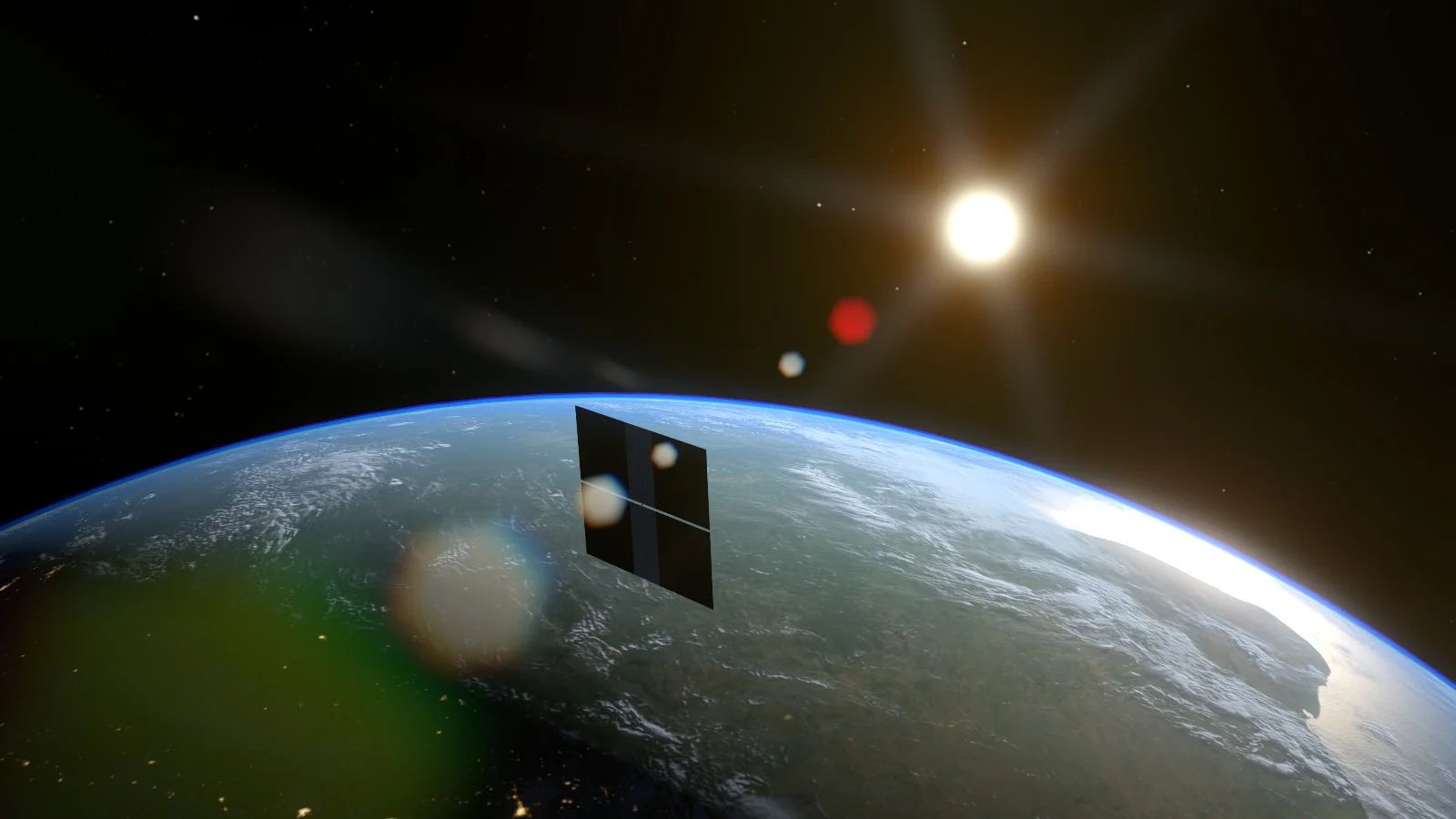
    As global demand for computing continues to explode, the carbon footprint of data centers is a growing concern. A new study outlines how hosting these facilities in space could help slash the sector’s emissions.

    Data centers require enormous amounts of power and water to operate and cool the millions of chips housed within them. Current estimates from the International Energy Agency peg their electricity consumption at around 415 terawatt hours globally, roughly 1.5 percent of total consumption in 2024. And the Environmental and Energy Study Institute says that large data centers can use as much as five million gallons per day for cooling.

    With demand for computing resources growing by the day, in particular since the rapid adoption of resource-guzzling generative AI across the economy, this threatens to become an unsustainable burden on the planet.

    But a new paper in Nature Electronics by scientists at Nanyang Technological University in Singapore suggests that hosting data centers in space could provide a potential solution. By relying on the abundant solar energy available in orbit and releasing waste heat into the cold vacuum of space, these facilities could, in principle, become carbon neutral.

    “Space offers a true sustainable environment for computing,” Wen Yonggang, lead author of the study, said in a press release. “By harnessing the sun’s energy and the cold vacuum of space, orbital data centers could transform global computing.”

    To validate their proposal, the researchers used digital-twin simulations of orbital computing systems to model how they would generate power, manage heat, and maintain connectivity. The team investigated two potential architectures: one designed to reduce the footprint of data collected by satellites themselves and another that would receive data from Earth for processing.

    The first model would involve integrating data processing capabilities into satellites equipped with sensors—for example, cameras for imaging the Earth. This would make it possible to carry out expensive computations on the data on board before transmitting just the results back to the ground, rather than processing the raw data in terrestrial data centers.

    The other approach involves a constellation of satellites equipped with full servers that could receive data from Earth and coordinate to carry out complex computing tasks like training AI models or running large simulations. The researchers note that this kind of distributed data center architecture—as opposed to assembling a large, monolithic data center in orbit—is technologically feasible with today’s satellite and computing technologies.

    The team’s analysis suggests that the considerable carbon footprint of launching hardware into space could be offset within five years of operation, after which the facilities could run indefinitely on renewable energy.

    Significant technical and logistical hurdles remain. Computer chips are vulnerable to radiation, an ever-present danger in space, which would necessitate the use of specialized radiation-hardened processors. Long-term maintenance of the facilities would also require in-orbit servicing technologies that don’t yet exist. And as computing technologies rapidly improve, chips depreciate in just a few years. Keeping orbital data centers stocked with the latest and greatest could be costly.

    But the NTU team isn’t the first to float the idea of shifting computing facilities into space. Last year, French defense and aerospace giant Thales published a study exploring the feasibility of the idea. And next month, the startup Starcloud will launch a satellite carrying an Nvidia H100 GPU as a first step towards creating a network of orbital data centers.

    While realizing the vision is likely to require technical breakthroughs and a huge amount of investment, one solution to computing’s ever growing carbon footprint may be above our heads.

    Centers Cooled data Earth future orbit powered space Sun Vacuum
    Share. Facebook Twitter Pinterest LinkedIn Tumblr Email
    kirklandc008@gmail.com
    • Website

    Related Posts

    NASA’s new dark energy space telescope can also detect killer asteroids

    August 5, 2026

    Heat Is an Orbital Data Center’s Greatest Foe. These Tiles Dump It at the Source.

    August 5, 2026

    Closing the data loop in AI-driven drug discovery

    July 28, 2026
    Leave A Reply Cancel Reply

    Top Posts

    Nothing CEO says phone prices are going to keep going up

    June 12, 20267 Views

    Google DeepMind Plans to Track AGI Progress With These 10 Traits of General Intelligence

    March 21, 20263 Views

    The AirPods 4 and Lego’s brick-ified Grogu are our favorite deals this week

    October 12, 20253 Views
    Stay In Touch
    • Facebook
    • YouTube
    • TikTok
    • WhatsApp
    • Twitter
    • Instagram
    Latest Reviews

    Subscribe to Updates

    Get the latest tech news from FooBar about tech, design and biz.

    Recent Posts
    • Google’s Top AI Brains Are Leaving to Launch Discovery Loop
    • ICE’s DNA Collection Increases, SpaceX’s Rocket Crashes Into the Moon, and the AI Backlash Grows
    • One of China’s Most Powerful AI Models Has Also Escaped Containment
    • Why Do Some People Never Get Cancer? The Answer May Be in Their Blood
    • Why Normal People Aren’t Using AI Agents

    Google’s Top AI Brains Are Leaving to Launch Discovery Loop

    August 7, 2026

    ICE’s DNA Collection Increases, SpaceX’s Rocket Crashes Into the Moon, and the AI Backlash Grows

    August 7, 2026

    One of China’s Most Powerful AI Models Has Also Escaped Containment

    August 7, 2026

    Why Do Some People Never Get Cancer? The Answer May Be in Their Blood

    August 6, 2026
    Facebook X (Twitter) Instagram Pinterest
    • About Us
    • Contact Us
    • Privacy Policy
    • Terms and Conditions
    • Disclaimer
    © 2026 TechNovaMindset. Designed by By Pro.

    Type above and press Enter to search. Press Esc to cancel.