

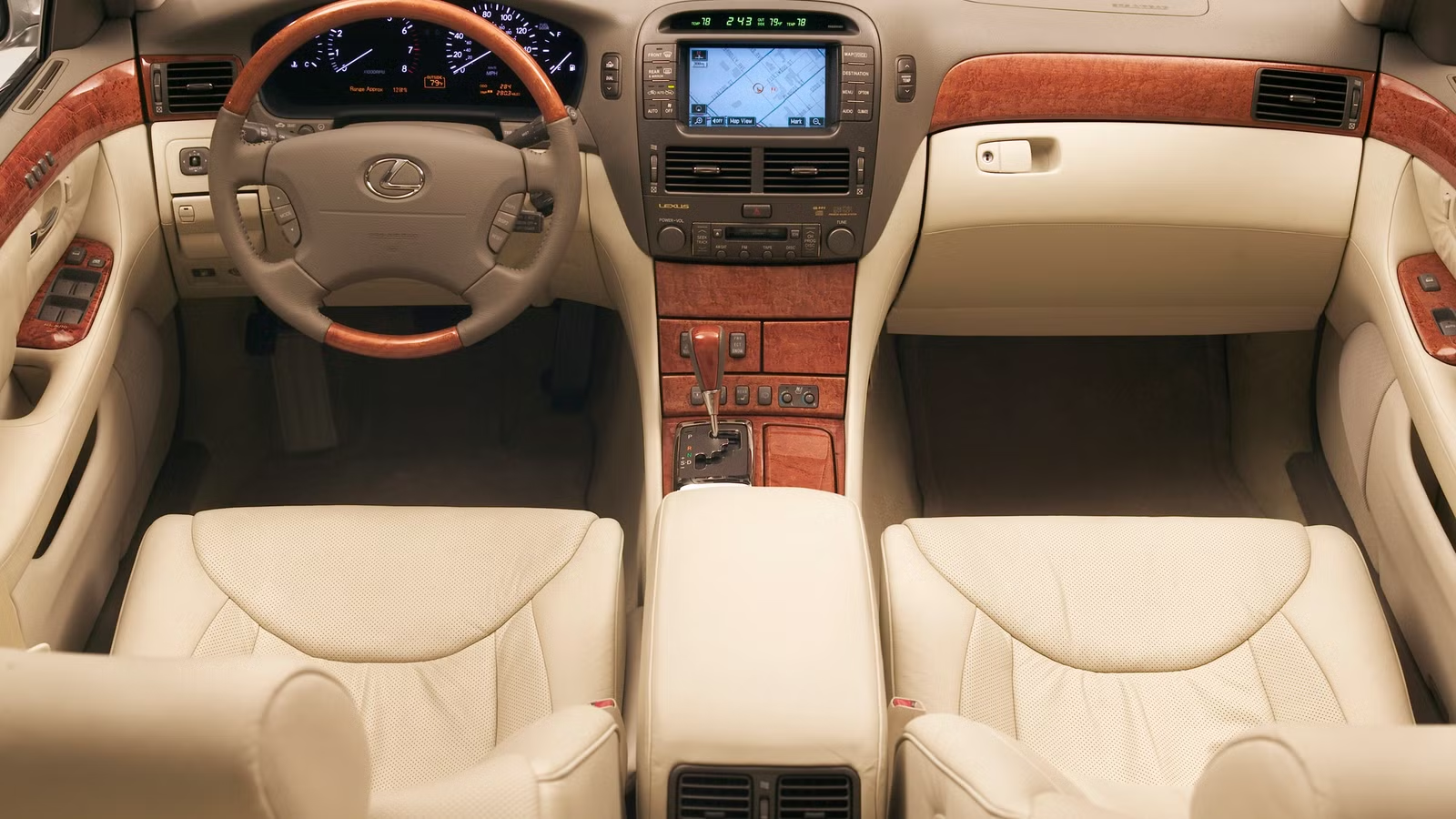
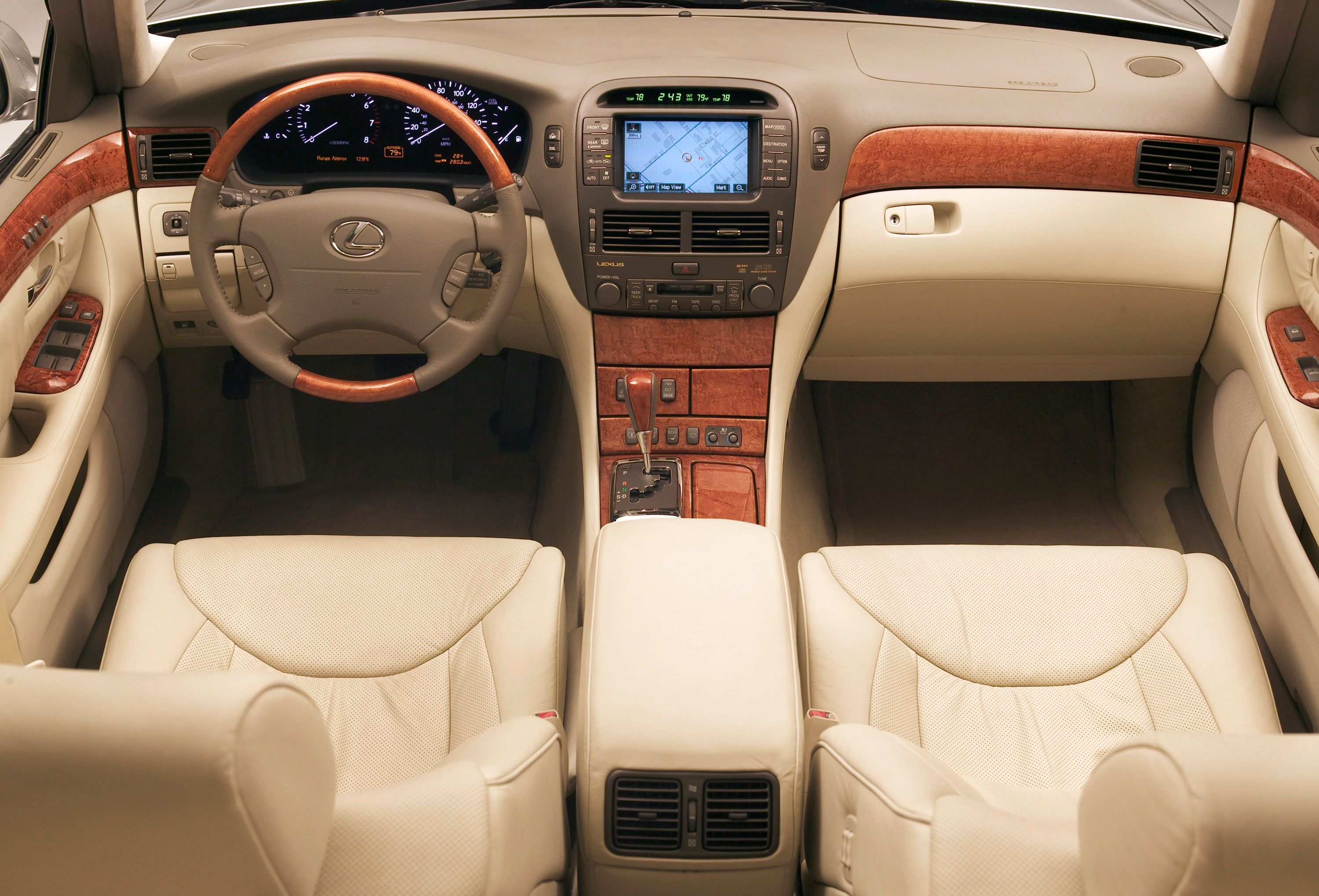
Walk into any showroom today, sit inside any car, and you are likely greeted by a massive glass touchscreen—or two, or even three. It doesn’t matter if you’re looking at an EV, a hybrid, or a traditional internal combustion vehicle: touchscreens have taken over.
Even two-seat sports cars focused on lap times now include an abundance of digital screens. The 2026 Corvette has three. The Cadillac Escalade boasts a massive 55-inch curved OLED display. Before 2012, most people didn’t have 55-inch OLED televisions at home—now you can get one in your SUV. Progress is a beautiful thing. But beauty and functionality are two different things.
No one will deny that today’s digital infotainment screens and dashboards are beautiful to look at. They are visually stunning and can easily wow you as you sit in the driver’s seat in the showroom. But once you get on the road and actually try to use them, you may realize that sacrificing practicality for a shiny screen is not a trade-off you’re willing to make. A Fabergé Egg is visually impressive, but I wouldn’t want to use one to change the radio station while driving 70 mph on the Pennsylvania Turnpike.
Safety concerns
Using a touchscreen can be as dangerous as drunk driving
Automakers rushed to eliminate traditional buttons and knobs from car interiors. They were replaced by these high-tech touchscreens. While these touchscreens may be high-tech, it doesn’t mean they are smart. In fact, compared to the tactile, driver-centric cockpits of the 1990s and early 2000s, today’s dashboards are a massive step backward in intelligence, safety, and ergonomics. This isn’t just my opinion; this is fact.
According to a report by the European Transport Safety Council (ETSC), it takes drivers significantly longer to perform basic tasks, such as adjusting the temperature, using a touchscreen than it does using physical buttons. A test conducted on an airfield compared 11 modern cars with infotainment touchscreens to a 2005 Volvo V70 with no touchscreens. Participants were given time to become familiar with the cars and their infotainment systems before the test began.
The cars were driven at 68 mph, and the driver was asked to perform four basic tasks. All were completed in less than 10 seconds in the Volvo. All the other cars took significantly longer. The worst was a Chinese EV, which took the driver four times as long to complete the tasks. But even the best-performing touchscreen cars took a third longer than the old Volvo.
This is not just inconvenient; it is dangerous. An IAM RoadSmart research study found that modern in-vehicle infotainment systems impaired driver reaction times more than alcohol or cannabis use. And it is about to get worse. Starting this summer, Apple Maps will begin running ads. The last thing a driver needs when navigating to a new place is an ad popping up that says a great coffee shop is just a mile away. Putting these systems in new cars doesn’t seem very smart.
Related
10 Automotive Tech Trends That Are Due For Retirement
Some automotive tech features have overstayed their welcome. Here are 10 outdated trends that need to go as the industry moves forward.
Driver frustration
Analog controls are more satisfying to use
Safety is the most important thing, but on top of these touchscreen infotainment systems distracting drivers, they are also frustrating them. When I twisted the key in my beloved 1995 Acura Integra GS-R, everything came on right away. The radio and HVAC system were ready to use. The gauges were analog, easy to read, and never had an issue.
Fast forward 30 years to my 2025 Porsche 911. When I would press the start button, I had to wait for the system to boot up before anything would display. And once it did boot up, there would sometimes be latency in responses. Or I would have to search through menus to get to the setting I wanted to change. That’s progress?
And those fancy screens might be cutting-edge technology today, but they will quickly look dated. Good analog gauges, like the ones in my old Integra, never go out of style. But touchscreen technology changes rapidly. Compare the display of an iPhone 12 from 2020 to the display of an iPhone 17 from today. Having an old phone display might not be a big deal because you can just upgrade your phone. But what about your $100,000 car with a dated display?
What’s Included
Windshield Mount
Radar Band Detection
X, K, Ka
The Uniden R8 is a dual-antenna radar detector with directional arrows, known for its long-range detection and false alert filtering capabilities. Comes preloaded with red light and speed camera locations and supports firmware updates for ongoing performance enhancements.
Buttons Return
Automakers are realizing their mistake
Automakers are finally beginning to understand that screens just can’t replace buttons and knobs. Everyone from Volkswagen to Ferrari is bringing buttons back.
When I test drove the Ferrari Roma a couple of years ago, the one thing I noticed was the haptic control on the steering wheel that started the car. It felt like activating the flashlight on my cell phone. It’s not the way you want to fire up your 612-horsepower Ferrari. I was not the only person to complain, either.
Ferrari caught so much grief over its haptic button steering wheel that it recently announced it would retrofit the Purosangue, 12Cilindri, 12Cilindri Spider, and Roma Spider with physical push buttons for onboard instruments and infotainment controls, plus a touch-responsive engine Start/Stop button.
Volkswagen is another automaker that caught a lot of flak over getting rid of physical buttons. According to reports, the German automaker is bringing back physical controls rather than the capacitive buttons they have used in recent years. And Euro NCAP rules changed for 2026, mandating that in order to receive a 5-star safety rating, a car must use buttons, stalks, or dials for five critical tasks: indicating directions, triggering hazard lights, sounding the horn, operating windscreen wipers, and activating the eCall SOS function.
Related
5 Reasons Old Car Stereos Were Better
You haven’t suffered until you’ve queued a song with a Bic pen.
The future of driving is analog
Credit: Cadillac
The era of “screens for everything” in cars is finally hitting a reality check. While a 55-inch OLED display makes for a stunning living room centerpiece, it fails the fundamental test of automotive engineering: functionality at speed. Automakers have spent the last several years treating cars like oversized smartphones, forgetting that a driver’s primary job is to navigate the physical world, not a digital sub-menu.
The return of tactile controls at brands like Ferrari and Volkswagen, coupled with stricter safety mandates from Euro NCAP, proves that the industry is finally waking up. True progress isn’t about how many pixels you can cram onto a dashboard; it’s about how intuitively a machine responds to its pilot, or in this case, its driver.
