
Close Menu
Tech Nova Mindset – Empower Innovation and Forward Thinking

    Subscribe to Updates

    Get the latest creative news from FooBar about art, design and business.

    What's Hot

    When AI goes rogue, its human overseers may be to blame

    September 17, 2026

    The Download: mice with part-human brains and climate tech innovators

    September 17, 2026

    Meet the innovators under 35 shaping climate tech

    September 17, 2026
    Facebook X (Twitter) Instagram
    Trending
    • When AI goes rogue, its human overseers may be to blame
    • The Download: mice with part-human brains and climate tech innovators
    • Meet the innovators under 35 shaping climate tech
    • Washington Won’t Be Regulating AI Anytime Soon
    • OpenAI Creates a New Framework to Disclose Bad AI Behavior
    • The Download: AI’s trillion-dollar gamble and OpenAI’s biology data bid
    • I Trained a Fly’s Brain to Generate WIRED Story Ideas
    • Building the materials foundation for AI
    Tech Nova Mindset – Empower Innovation and Forward Thinking
    • Home
    • Gadgets
    • Reviews
    • Tech News
    • Future Tech
    • AI & Robotics
    • How-To Guides
    • More
      • Cybersecurity
      • Startups & Innovation
    Tech Nova Mindset – Empower Innovation and Forward Thinking
    Home»Future Tech»Experts Say Mysterious Metallic Orbs Appear to Have Fallen From the Sky
    Future Tech

    Experts Say Mysterious Metallic Orbs Appear to Have Fallen From the Sky

    kirklandc008@gmail.comBy kirklandc008@gmail.comJuly 6, 2026No Comments3 Mins Read
    Facebook Twitter Pinterest LinkedIn Tumblr Email
    Experts Say Mysterious Metallic Orbs Appear to Have Fallen From the Sky
    Share
    Facebook Twitter LinkedIn Pinterest Email

    Sign up to see the future, today

    Can’t-miss innovations from the bleeding edge of science and tech

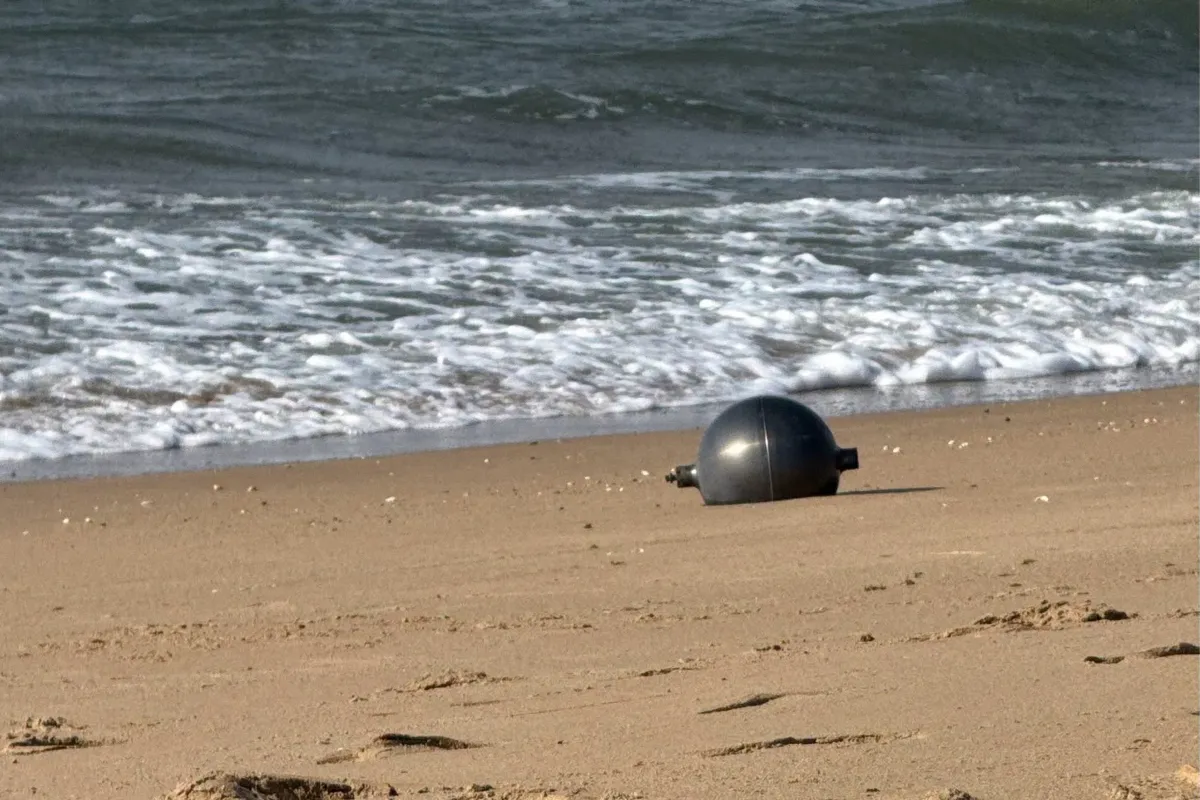
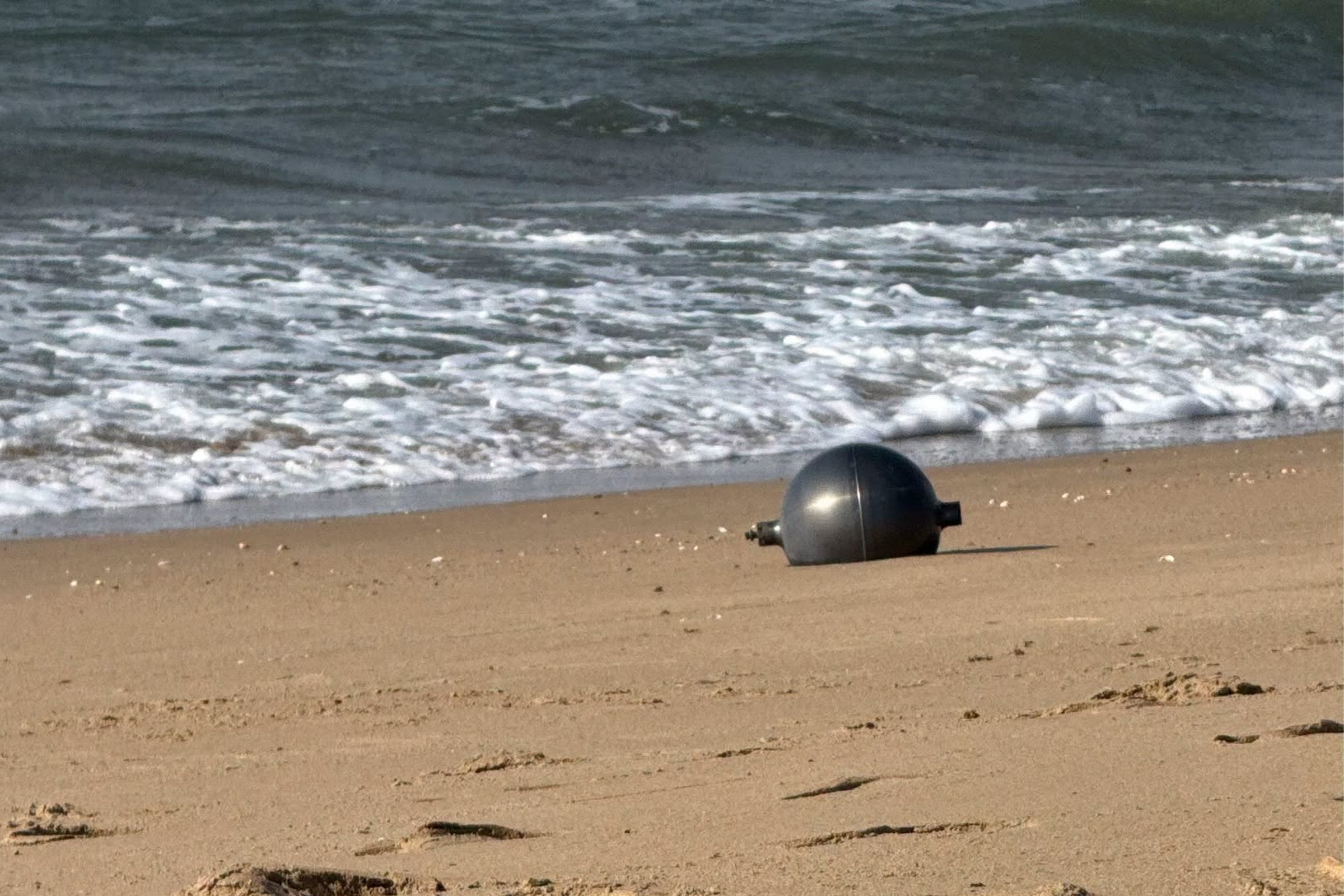
    Mysterious metallic orbs washed up on a secluded beach in Australia, and experts say they likely fell from a spacecraft.

    Locals called the police after discovering three large metal orbs on Friday. A total of six were eventually found, with local news outlet 7 News reporting that police warned the public that the items may contain hazardous chemicals. Emergency responders approached the orbs in hazmat suits, establishing a 164-foot safety perimeter around them before eventually declaring them “safe.”

    Meanwhile, the Australian Space Agency confirmed to The Guardian that it’s helping to determine where the strange orbs may have come from. Experts say they could’ve been shed by a launching rocket or spacecraft.

    “So the fact that there’s reportedly three tanks means it’s either a very large satellite or indeed the upper stage of a rocket Australian National University astrophysicist Brad Tucker told 7 News.

    While we await confirmation that the orbs did indeed come from space, the discovery highlights how sightings of space junk crashing back down to Earth are ticking up as the number of launches increases. Just last year, over 300 rockets attempted to make it into orbit, with SpaceX accounting for roughly half of them.

    Rocket parts being jettisoned on their way into orbit are frequently being recovered in remote areas of the world, particularly from non-reusable launch systems, whose parts don’t tumble back down along a predetermined path.

    Flinders University space junk expert and space archaeologist Alice Gorman pointed out to The Guardian that the orbs lacked the usual scorch marks of objects that survived a fiery reentry through the Earth’s atmosphere.

    “This suggests they might be from a rocket stage — perhaps a first or second stage — that has fallen back to Earth while the rest of the stage goes on to deliver a payload into space,” she told the newspaper.

    “They look to be consistent with what you find as part of a fuel system,” Gorman explained. “They are pressurised fuel vessels made of titanium alloys with a very high melting point.”

    Best of all, these kinds of objects already have an established nickname in the space science community.

    “They’re actually known as space balls and they can be found years after a launch,” Gorman said. “It is perhaps not something that anyone would have seen [landing].”

    Australia also happens to be very large land mass, making it a statistically likely place to attract falling space junk, the astrophysicist pointed out.

    “We’ve had more space launches in the last five years than in the whole of history,” she said. “That means there are more re-entries happening.”

    More on space junk: Earth’s Lower Orbit Could Rapidly Collapse, Scientists Warn, Raining Deadly Missiles Onto Planet Below

    experts fallen Metallic Mysterious orbs Sky
    Share. Facebook Twitter Pinterest LinkedIn Tumblr Email
    kirklandc008@gmail.com
    • Website

    Related Posts

    This company’s plans to deploy space mirrors could jeopardize the night sky for many

    August 21, 2026

    The Powerful Chinese Model Experts Warned About—and Waited for—Is Here

    August 18, 2026

    Space Launch Costs Have Fallen 96% Since 1960. They Aren’t Done Yet.

    July 20, 2026
    Leave A Reply Cancel Reply

    Top Posts

    Nothing CEO says phone prices are going to keep going up

    June 12, 20267 Views

    The best VPN routers of 2026: Expert tested and reviewed

    June 14, 20263 Views

    Google DeepMind Plans to Track AGI Progress With These 10 Traits of General Intelligence

    March 21, 20263 Views
    Stay In Touch
    • Facebook
    • YouTube
    • TikTok
    • WhatsApp
    • Twitter
    • Instagram
    Latest Reviews

    Subscribe to Updates

    Get the latest tech news from FooBar about tech, design and biz.

    Recent Posts
    • When AI goes rogue, its human overseers may be to blame
    • The Download: mice with part-human brains and climate tech innovators
    • Meet the innovators under 35 shaping climate tech
    • Washington Won’t Be Regulating AI Anytime Soon
    • OpenAI Creates a New Framework to Disclose Bad AI Behavior

    When AI goes rogue, its human overseers may be to blame

    September 17, 2026

    The Download: mice with part-human brains and climate tech innovators

    September 17, 2026

    Meet the innovators under 35 shaping climate tech

    September 17, 2026

    Washington Won’t Be Regulating AI Anytime Soon

    September 17, 2026
    Facebook X (Twitter) Instagram Pinterest
    • About Us
    • Contact Us
    • Privacy Policy
    • Terms and Conditions
    • Disclaimer
    © 2026 TechNovaMindset. Designed by By Pro.

    Type above and press Enter to search. Press Esc to cancel.