
Close Menu
Tech Nova Mindset – Empower Innovation and Forward Thinking

    Subscribe to Updates

    Get the latest creative news from FooBar about art, design and business.

    What's Hot

    China Isn’t Buying Silicon Valley’s Call for an AI Slowdown

    September 16, 2026

    AI models need more data about biology, and OpenAI is paying to create it

    September 16, 2026

    Single CAR T Injection Eases Multiple Sclerosis Symptoms in Small Trial

    September 15, 2026
    Facebook X (Twitter) Instagram
    Trending
    • China Isn’t Buying Silicon Valley’s Call for an AI Slowdown
    • AI models need more data about biology, and OpenAI is paying to create it
    • Single CAR T Injection Eases Multiple Sclerosis Symptoms in Small Trial
    • AI ‘Actor’ Tilly Norwood Told Me That ‘All Lives Matter’
    • Roundtables: Could AI really kill us all?
    • How Elon Musk and Tesla Forged a New EV Path
    • The Download: AI doomers, whistleblowing agents, and de-aged livers
    • Inside the Inference Hardware Revolution Of 2026
    Tech Nova Mindset – Empower Innovation and Forward Thinking
    • Home
    • Gadgets
    • Reviews
    • Tech News
    • Future Tech
    • AI & Robotics
    • How-To Guides
    • More
      • Cybersecurity
      • Startups & Innovation
    Tech Nova Mindset – Empower Innovation and Forward Thinking
    Home»Future Tech»Climate Change Is Getting So Bad That It’s Making Food Less Nutritious
    Future Tech

    Climate Change Is Getting So Bad That It’s Making Food Less Nutritious

    kirklandc008@gmail.comBy kirklandc008@gmail.comMay 3, 2026No Comments3 Mins Read
    Facebook Twitter Pinterest LinkedIn Tumblr Email
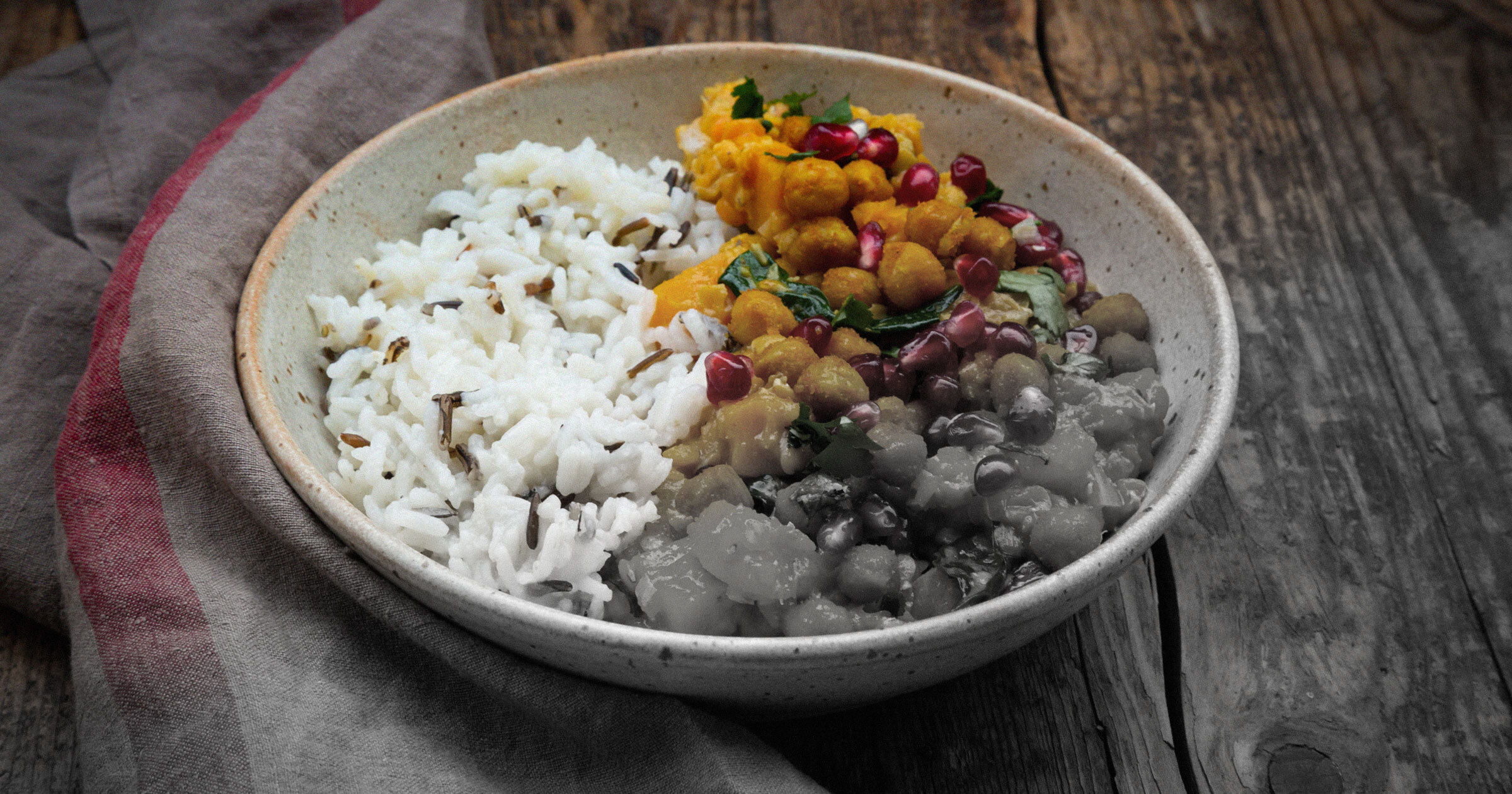
    Climate Change Is Getting So Bad That It's Making Food Less Nutritious
    Share
    Facebook Twitter LinkedIn Pinterest Email

    Sign up to see the future, today

    Can’t-miss innovations from the bleeding edge of science and tech

    Climate change’s effects often aren’t obvious.

    In a particularly lateral example of how our planet’s changing environment is coming to affect our lives, scientists are now warning that our increasingly CO2-suffused atmosphere is causing the plants we eat to be less nutritious. Though the changes are subtle, they could already be endangering millions of people with poor diets, and hundreds of millions if the trend holds in the coming decades.

    “The diets we eat today have less nutritional density than what our grandparents ate, even if we eat exactly the same thing,” Kristie Ebi, a professor at the University of Washington’s Center for Health and the Global Environment, told The Washington Post.

    In a study published in the journal Global Change Biology in November, a team of researchers in the Netherlands surveyed the nutrient levels of 43 crops, ranging from rice to soybeans to wheat, in an assortment that represents the vast majority of plants that humans eat. The team found that nutrients like protein, iron, and zinc have fallen by 3.2 percent across all plants since the late 1980s. The culprit, they found, was an uptick in atmospheric carbon dioxide.

    It’s not a drastic plummet, but it’s the beginning of an alarming trajectory. As billions of peoples’ diets already teeter on the verge of malnutrition, study lead author Sterre ter Haar warned that those few percentage points could push millions of people into a health crisis. A quarter of the world’s population is already believed to have anemia, a condition in which the body is incapable of producing enough blood cells to carry oxygen.

    Plants thrive off CO2, converting it into sugars that provide them energy, so it may sound counterintuitive that more CO2 could be making them less nutritious. But their nutritional value, to us at least, comes from minerals absorbed through the soil. The greenhouse gas may help the crops grow bigger and faster, but their nutrient uptake remains the same, diluting their concentration, according to WaPo.

    That’s not all. The over-abundance of CO2 means plants don’t need to open their microscopic pores, called stomata, to let in air. When the stomata open, some of the water a plant contains evaporates. Since the stomata are open less frequently, they’re also drawing less water though their roots — water that crucially contains the minerals we need.

    “The plant is becoming more efficient, but it’s occurring at a price, from a human perspective,” Lewis Ziska, a plant biologist at Columbia University who studied the phenomenon for more than two decades, told WaPo.

    The price is steep. An additional 175 million people could suffer problems from a zinc deficiency due to plunging nutrient levels in food from CO2 pollution, a 2018 study found. And some 1.4 billion women and children could lose four percent of their dietary iron, worsening their anemia, a condition that can cause pregnancy complications, developmental problems, and even death.

    More on agriculture: You’ll Spill Your Juice When You Learn How Many of Florida’s Orange Trees This Incurable Bacteria Has Already Infected

    Bad Change Climate Food making Nutritious
    Share. Facebook Twitter Pinterest LinkedIn Tumblr Email
    kirklandc008@gmail.com
    • Website

    Related Posts

    This founder is making cheaper, cleaner steel

    September 9, 2026

    Innocent-looking AI reasoning can make bad behavior harder to catch

    September 8, 2026

    Making the AI-powered case for legacy modernization

    September 1, 2026
    Leave A Reply Cancel Reply

    Top Posts

    Nothing CEO says phone prices are going to keep going up

    June 12, 20267 Views

    The best VPN routers of 2026: Expert tested and reviewed

    June 14, 20263 Views

    Google DeepMind Plans to Track AGI Progress With These 10 Traits of General Intelligence

    March 21, 20263 Views
    Stay In Touch
    • Facebook
    • YouTube
    • TikTok
    • WhatsApp
    • Twitter
    • Instagram
    Latest Reviews

    Subscribe to Updates

    Get the latest tech news from FooBar about tech, design and biz.

    Recent Posts
    • China Isn’t Buying Silicon Valley’s Call for an AI Slowdown
    • AI models need more data about biology, and OpenAI is paying to create it
    • Single CAR T Injection Eases Multiple Sclerosis Symptoms in Small Trial
    • AI ‘Actor’ Tilly Norwood Told Me That ‘All Lives Matter’
    • Roundtables: Could AI really kill us all?

    China Isn’t Buying Silicon Valley’s Call for an AI Slowdown

    September 16, 2026

    AI models need more data about biology, and OpenAI is paying to create it

    September 16, 2026

    Single CAR T Injection Eases Multiple Sclerosis Symptoms in Small Trial

    September 15, 2026

    AI ‘Actor’ Tilly Norwood Told Me That ‘All Lives Matter’

    September 15, 2026
    Facebook X (Twitter) Instagram Pinterest
    • About Us
    • Contact Us
    • Privacy Policy
    • Terms and Conditions
    • Disclaimer
    © 2026 TechNovaMindset. Designed by By Pro.

    Type above and press Enter to search. Press Esc to cancel.