
Close Menu
Tech Nova Mindset – Empower Innovation and Forward Thinking

    Subscribe to Updates

    Get the latest creative news from FooBar about art, design and business.

    What's Hot

    Hackers Exploited the PHP Vulnerabilities Days Before They Were Patched

    October 22, 2026

    Cleaning up PFAS | MIT Technology Review

    October 22, 2026

    Mark Zuckerberg Agrees to Stay in California Despite Billionaires’ Tax Ballot Measure

    October 22, 2026
    Facebook X (Twitter) Instagram
    Trending
    • Hackers Exploited the PHP Vulnerabilities Days Before They Were Patched
    • Cleaning up PFAS | MIT Technology Review
    • Mark Zuckerberg Agrees to Stay in California Despite Billionaires’ Tax Ballot Measure
    • Solid-state batteries | MIT Technology Review
    • Manfred “Fred” Schindler Is 2027 IEEE President-Elect
    • AI could turn scientific papers into research assistants
    • This Startup Is All In on Recursive Self-Improvement. Its Latest Model Is Scary Good
    • Eliminating traffic deaths | MIT Technology Review
    Tech Nova Mindset – Empower Innovation and Forward Thinking
    • Home
    • Gadgets
    • Reviews
    • Tech News
    • Future Tech
    • AI & Robotics
    • How-To Guides
    • More
      • Cybersecurity
      • Startups & Innovation
    Tech Nova Mindset – Empower Innovation and Forward Thinking
    Home»AI & Robotics»Cleaning up PFAS | MIT Technology Review
    AI & Robotics

    Cleaning up PFAS | MIT Technology Review

    kirklandc008@gmail.comBy kirklandc008@gmail.comOctober 22, 2026No Comments2 Mins Read
    Facebook Twitter Pinterest LinkedIn Tumblr Email
    Cleaning up PFAS | MIT Technology Review
    Share
    Facebook Twitter LinkedIn Pinterest Email

    The PFAS monster is also a moving target. New compounds are still being created and used. There are more than 12,000 of them, and much of the cleanup research focuses on only a small handful. 

    The progress

    Cleansing PFAS-contaminated soil is a project in its infancy, but it is possible to prevent more buildup by pulling the chemicals out of water systems. There are two ways to handle this: trap or destroy. Some scientists have found reverse osmosis—a process that pushes water through supertight filters—useful in point-of-use cases, like water filters at kitchen sinks. 

    Other techniques in the pipeline might be more suitable for large-scale removal—for example, at water treatment facilities. One, called foam fractionation, generates bubbles that capture PFAS. More approaches, like ensnaring the chemicals in nanothin layers of charged metal, are also under investigation. 

    Trapping, though, is imperfect. You’re left with PFAS-filled brine, which if not properly destroyed (an expensive and energy-sucking endeavor) can still end up in the environment. 

    Jack Huang, a professor of crop and soil sciences at the University of Georgia, is working on destruction. He’s testing a method called electrochemical degradation, which uses electrodes to break down the bonds that hold PFAS together. The product destroyed more than 90% of PFAS mass in tests and has already been licensed by the engineering consulting firm AECOM. 

    Ridding life of PFAS is also a policy challenge. There are alternatives; we just need the push to use them. And we’ve had success before: The EPA’s 2010/2015 PFOA Stewardship Program has helped slash the release of water-repellent perfluorooctanoic acid by 95%. More recently, Minnesota, Maine, and New Mexico have passed bans on PFAS in products like cookware and dental floss. 

    Progress meter ………… 6

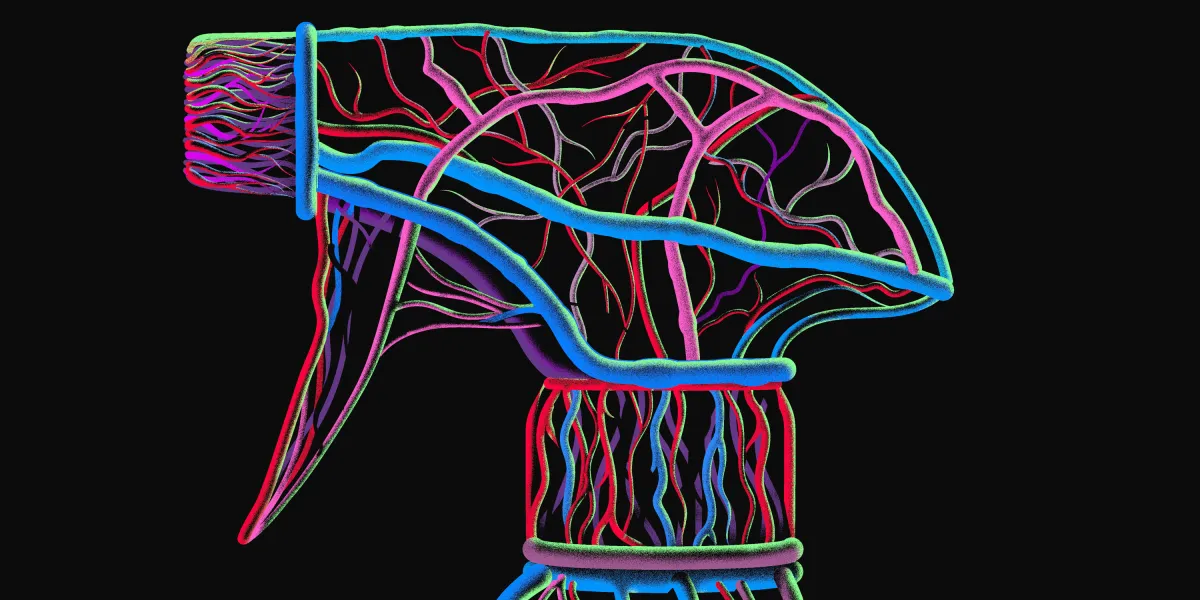
    Scientists are making strides toward removing and destroying PFAS—but it’ll be all for naught if we don’t turn off the tap. 

    cleaning MIT PFAS Review technology
    Share. Facebook Twitter Pinterest LinkedIn Tumblr Email
    kirklandc008@gmail.com
    • Website

    Related Posts

    Hackers Exploited the PHP Vulnerabilities Days Before They Were Patched

    October 22, 2026

    Mark Zuckerberg Agrees to Stay in California Despite Billionaires’ Tax Ballot Measure

    October 22, 2026

    Solid-state batteries | MIT Technology Review

    October 21, 2026
    Leave A Reply Cancel Reply

    Top Posts

    Nothing CEO says phone prices are going to keep going up

    June 12, 20267 Views

    The best VPN routers of 2026: Expert tested and reviewed

    June 14, 20263 Views

    Google DeepMind Plans to Track AGI Progress With These 10 Traits of General Intelligence

    March 21, 20263 Views
    Stay In Touch
    • Facebook
    • YouTube
    • TikTok
    • WhatsApp
    • Twitter
    • Instagram
    Latest Reviews

    Subscribe to Updates

    Get the latest tech news from FooBar about tech, design and biz.

    Recent Posts
    • Hackers Exploited the PHP Vulnerabilities Days Before They Were Patched
    • Cleaning up PFAS | MIT Technology Review
    • Mark Zuckerberg Agrees to Stay in California Despite Billionaires’ Tax Ballot Measure
    • Solid-state batteries | MIT Technology Review
    • Manfred “Fred” Schindler Is 2027 IEEE President-Elect

    Hackers Exploited the PHP Vulnerabilities Days Before They Were Patched

    October 22, 2026

    Cleaning up PFAS | MIT Technology Review

    October 22, 2026

    Mark Zuckerberg Agrees to Stay in California Despite Billionaires’ Tax Ballot Measure

    October 22, 2026

    Solid-state batteries | MIT Technology Review

    October 21, 2026
    Facebook X (Twitter) Instagram Pinterest
    • About Us
    • Contact Us
    • Privacy Policy
    • Terms and Conditions
    • Disclaimer
    © 2026 TechNovaMindset. Designed by By Pro.

    Type above and press Enter to search. Press Esc to cancel.