
Close Menu
Tech Nova Mindset – Empower Innovation and Forward Thinking

    Subscribe to Updates

    Get the latest creative news from FooBar about art, design and business.

    What's Hot

    Turning Paper Charts Into Digital Medical Records

    August 3, 2026

    The ‘Guardrail Guy’ Went Viral for Posting About Flock Cameras. Then Someone Destroyed Them

    August 3, 2026

    The Download: reward hacking explained, and suspected Iranian cyberattacks

    August 3, 2026
    Facebook X (Twitter) Instagram
    Trending
    • Turning Paper Charts Into Digital Medical Records
    • The ‘Guardrail Guy’ Went Viral for Posting About Flock Cameras. Then Someone Destroyed Them
    • The Download: reward hacking explained, and suspected Iranian cyberattacks
    • Simulation Apps Pinpoint Cause of Electronics Failures
    • AI Conquered Coding. Fast Food Is Next
    • Here’s why AI agents lie and cheat to reach their goals
    • The Magnetophon and the Birth of the Laugh Track
    • Page Not Found | WIRED
    Tech Nova Mindset – Empower Innovation and Forward Thinking
    • Home
    • Gadgets
    • Reviews
    • Tech News
    • Future Tech
    • AI & Robotics
    • How-To Guides
    • More
      • Cybersecurity
      • Startups & Innovation
    Tech Nova Mindset – Empower Innovation and Forward Thinking
    Home»Reviews»NASA Mission To Rescue The Falling Swift Observatory Has Launched
    Reviews

    NASA Mission To Rescue The Falling Swift Observatory Has Launched

    kirklandc008@gmail.comBy kirklandc008@gmail.comJuly 5, 2026No Comments3 Mins Read
    Facebook Twitter Pinterest LinkedIn Tumblr Email
    NASA Mission To Rescue The Falling Swift Observatory Has Launched
    Share
    Facebook Twitter LinkedIn Pinterest Email

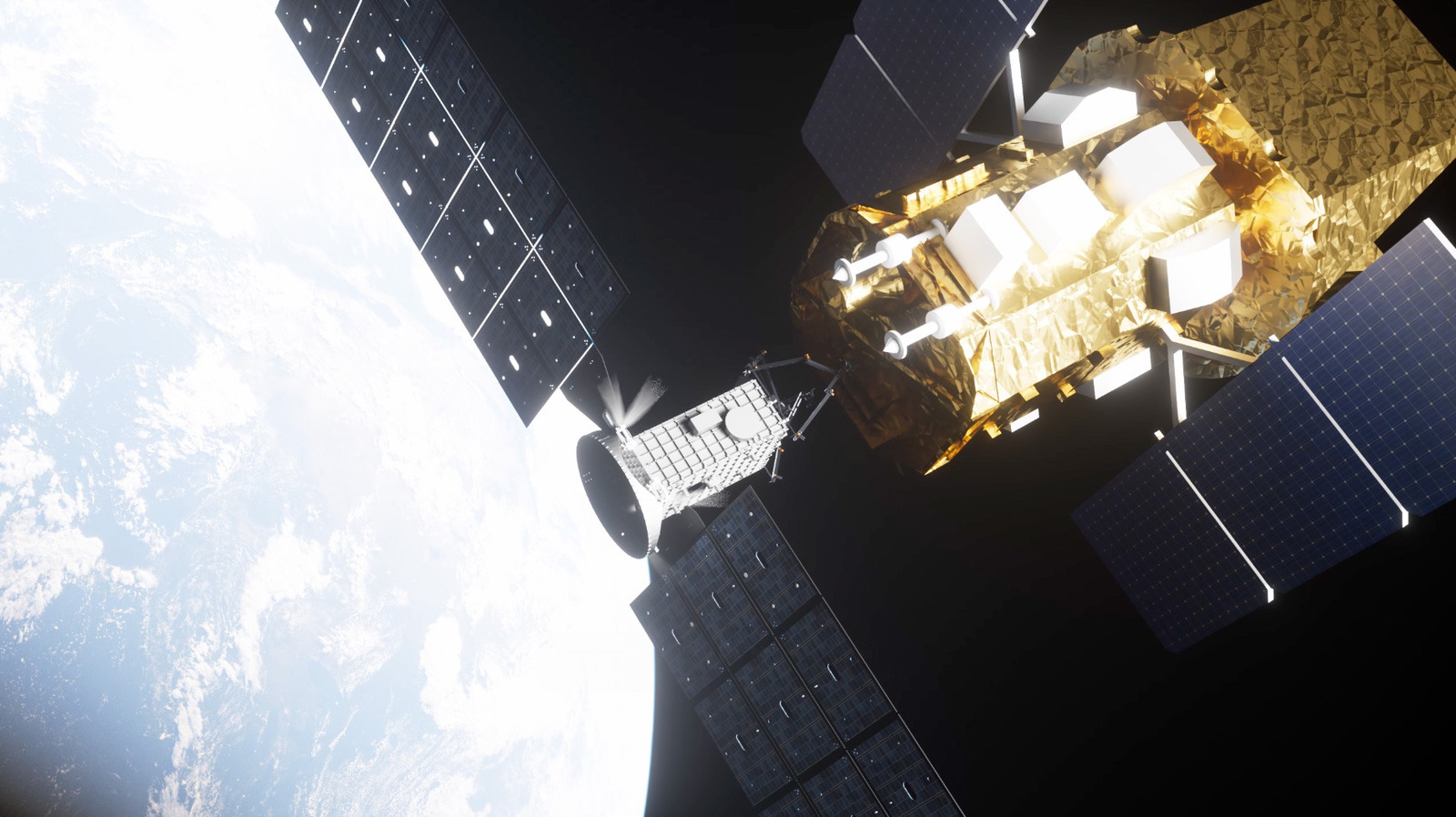
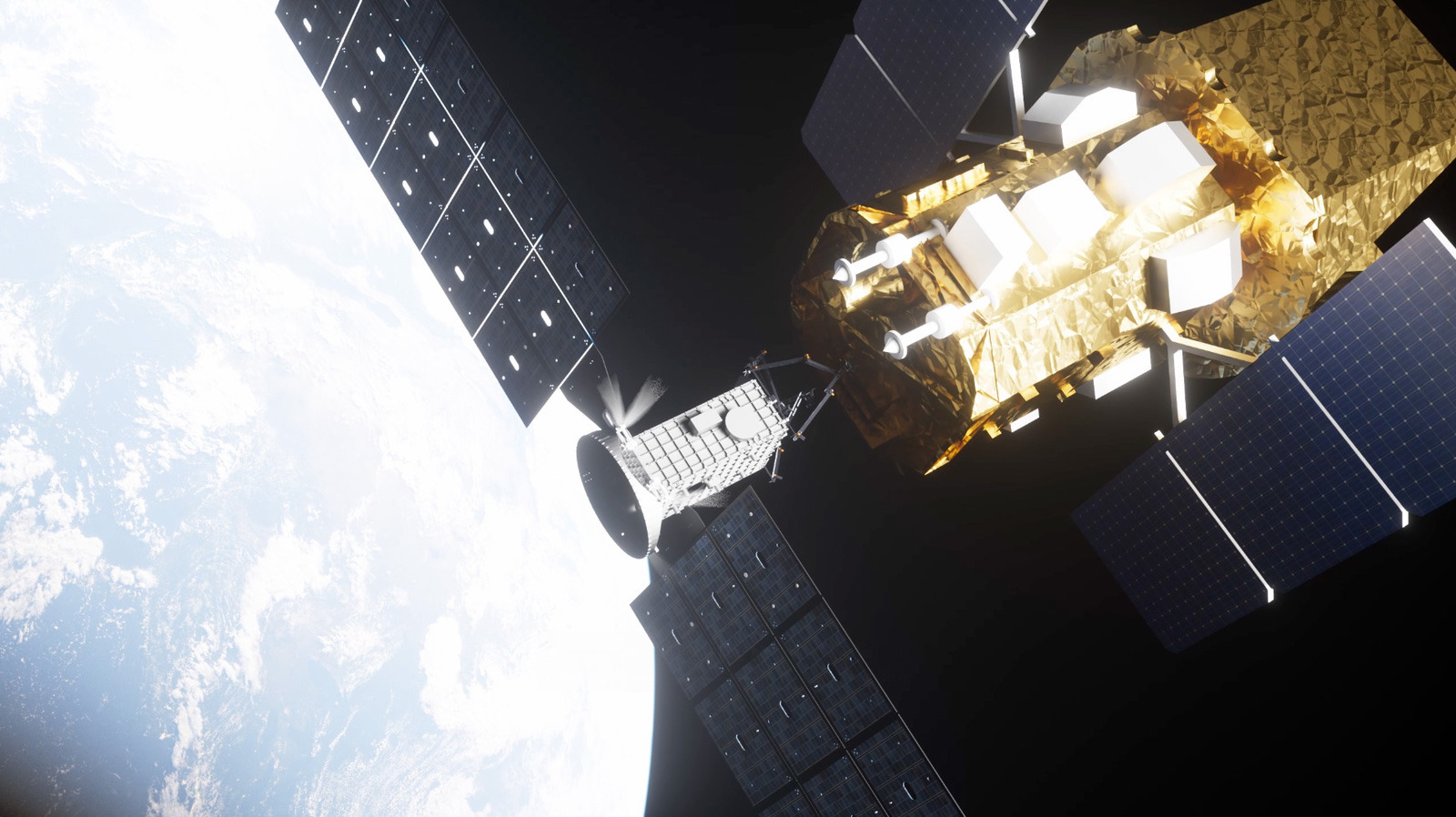
    A robotic spacecraft called LINK will soon tug the telescope to a higher orbit.


    NASA

    The NASA Swift Boost mission has launched from Marshall Islands on July 3 at 4:36AM Eastern time after a couple of delays, and the agency has started preparing it for its ultimate goal: To rescue the Neil Gehrels Swift Observatory, which is falling faster than anticipated. Swift Boost’s ground teams have already established communication with LINK, the robotic spacecraft designed by Arizona company Katalyst Space to dock with the observatory and to tug it back into a higher orbit. 

    It wasn’t your typical rocket launch. LINK was attached to a Northrop Grumman Pegasus XL rocket, which was in turn attached to the belly of a plane called Stargazer. The plane took off from Kwajalein Atoll, Marshall Islands and then released the Pegasus XL rocket in the air at an altitude of around 40,000. After free falling for a few seconds, the rocket’s engines fired up to deliver LINK to space. 

    NASA says making contact with LINK was the mission’s first objective, and it was successful in doing so. LINK has already powered on and will undergo health checks by Katalyst over the next several weeks to assess its propulsion, sensor and navigation systems. After its health checks are done, LINK will head towards the Swift observatory to survey it. 

    LINK will then capture Swift, dock with it using its three robotic arms and then tug it upwards until they reach an orbit with an altitude of approximately 370 miles, which will extend its life by a decade or so. Delivering the observatory to a higher orbit is expected to take 10 to 12 weeks. While all spacecraft will eventually fall, recent solar activity caused the observatory’s orbit to decay much faster. Without the help of LINK, the Swift telescope would be falling from orbit by the end of the year.

    The Neil Gehrels Swift Observatory has been studying gamma ray bursts for over two decades. Brad Cenko, Swift’s principal investigator, describes gamma ray bursts as “short-lived flashes of high-energy light that release more energy in just a few seconds than the sun will in its entire lifetime.” These bursts are thought to be created by exploding and colliding stars. Cenko says data from Swift confirmed that the “heaviest elements in the periodic table, including the gold and platinum in our jewelry, are forged in these systems.” Scientists now also use Swift as a “dispatcher” or a “first responder” to gather critical information when a sudden cosmic event takes place.

    falling launched mission NASA Observatory rescue Swift
    Share. Facebook Twitter Pinterest LinkedIn Tumblr Email
    kirklandc008@gmail.com
    • Website

    Related Posts

    She Launched the First AI Research Institute at an HBCU

    July 29, 2026

    AMD Ryzen 7 7700X3D review: A slower 7800X3D, but not necessarily a cheaper one

    July 16, 2026

    The Oversight Board Says Leading AI Models Might Be Restricting Free Expression

    July 16, 2026
    Leave A Reply Cancel Reply

    Top Posts

    Nothing CEO says phone prices are going to keep going up

    June 12, 20267 Views

    Google DeepMind Plans to Track AGI Progress With These 10 Traits of General Intelligence

    March 21, 20263 Views

    The AirPods 4 and Lego’s brick-ified Grogu are our favorite deals this week

    October 12, 20253 Views
    Stay In Touch
    • Facebook
    • YouTube
    • TikTok
    • WhatsApp
    • Twitter
    • Instagram
    Latest Reviews

    Subscribe to Updates

    Get the latest tech news from FooBar about tech, design and biz.

    Recent Posts
    • Turning Paper Charts Into Digital Medical Records
    • The ‘Guardrail Guy’ Went Viral for Posting About Flock Cameras. Then Someone Destroyed Them
    • The Download: reward hacking explained, and suspected Iranian cyberattacks
    • Simulation Apps Pinpoint Cause of Electronics Failures
    • AI Conquered Coding. Fast Food Is Next

    Turning Paper Charts Into Digital Medical Records

    August 3, 2026

    The ‘Guardrail Guy’ Went Viral for Posting About Flock Cameras. Then Someone Destroyed Them

    August 3, 2026

    The Download: reward hacking explained, and suspected Iranian cyberattacks

    August 3, 2026

    Simulation Apps Pinpoint Cause of Electronics Failures

    August 3, 2026
    Facebook X (Twitter) Instagram Pinterest
    • About Us
    • Contact Us
    • Privacy Policy
    • Terms and Conditions
    • Disclaimer
    © 2026 TechNovaMindset. Designed by By Pro.

    Type above and press Enter to search. Press Esc to cancel.