


When serial entrepreneur and billionaire Ben Lamm launched the Texas de-extinction company Colossal Biosciences, skeptics were plentiful. The idea of resurrecting extinct species seemed to many like the stuff of science fiction.
Five years into its operation, Colossal has done more than silence the doubters.
Expanding the limits of de-extinction
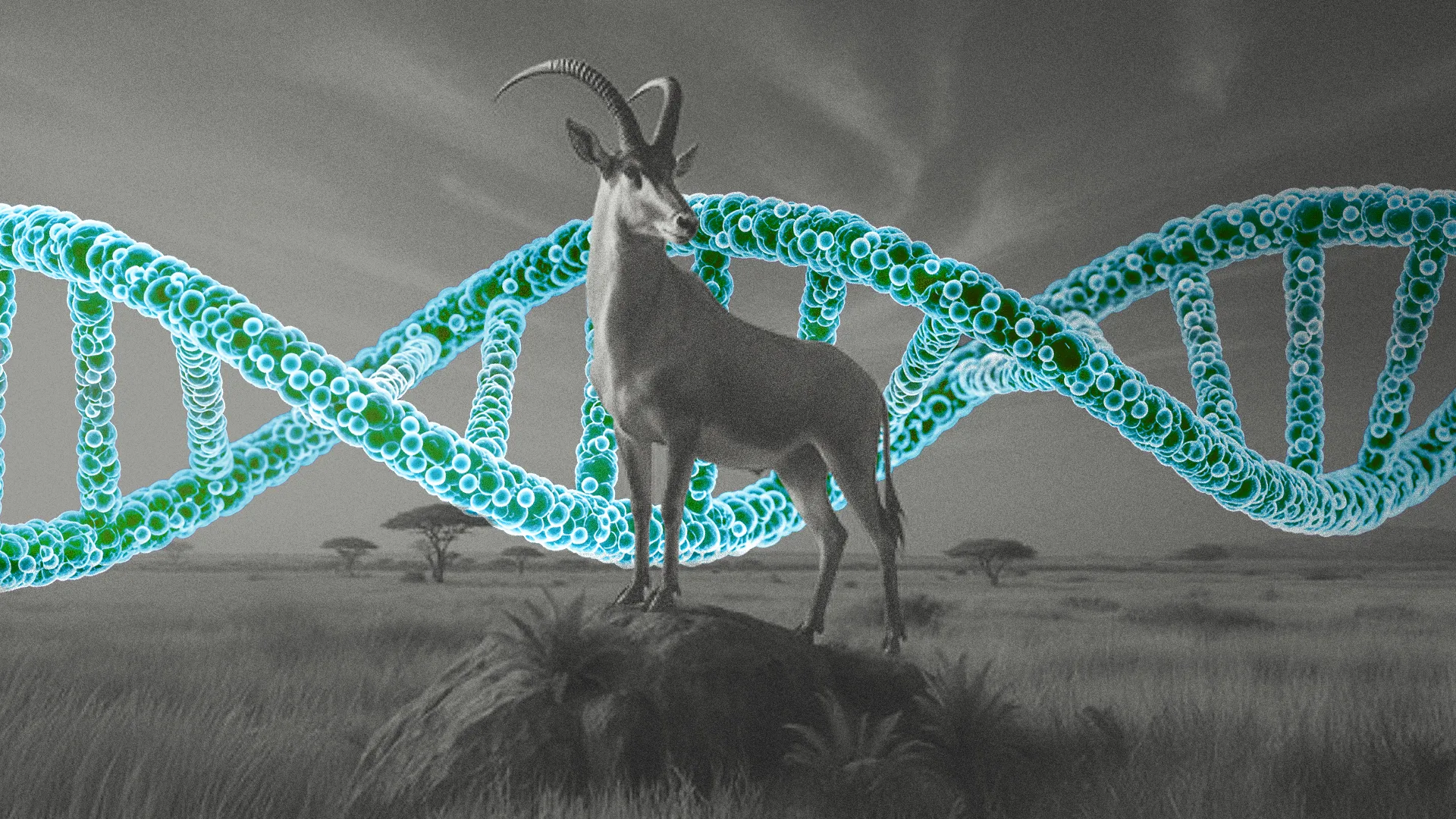
Recently, Colossal announced significant progress on its efforts to de-extinct the Blue Buck, a southern African antelope that vanished in the early 18th century. This adds yet another mammal to its growing slate of extinct species.
That list now includes the woolly mammoth, dire wolf, dodo, moa, the Tasmanian tiger, and numerous megafauna species that appear to be in active consideration. Critically, the Blue Buck announcement also marks a milestone in which Colossal now has de-extinction efforts, spanning on almost every continent on Earth.
An Inc.com Featured Presentation
As big of accomplishments as the Blue Buck announcement and the broader de-extinction efforts are, they may not be the most interesting news Colossal has made this year.
A new company built on biology and AI
Last month, Colossal Biosciences announced the launch of an entirely new company, Astromech, named after the automated mechanic droids on starships from Star Wars. The company is building an AI-led predictive model for biology, which aims to forecast evolution, disease risk, and systemic biological vulnerabilities before they materialize.
At the time of the announcement, Astromech had also already reached unicorn status. In just nine months of operation, it is now valued at over two billion dollars.
Expand to continue reading ↓
