
Close Menu
Tech Nova Mindset – Empower Innovation and Forward Thinking

    Subscribe to Updates

    Get the latest creative news from FooBar about art, design and business.

    What's Hot

    OpenAI Creates a New Framework to Disclose Bad AI Behavior

    September 17, 2026

    The Download: AI’s trillion-dollar gamble and OpenAI’s biology data bid

    September 16, 2026

    I Trained a Fly’s Brain to Generate WIRED Story Ideas

    September 16, 2026
    Facebook X (Twitter) Instagram
    Trending
    • OpenAI Creates a New Framework to Disclose Bad AI Behavior
    • The Download: AI’s trillion-dollar gamble and OpenAI’s biology data bid
    • I Trained a Fly’s Brain to Generate WIRED Story Ideas
    • Building the materials foundation for AI
    • Physical AI Safety Under Attack From Silent Backdoors
    • Meet a mouse whose brain cortex is made up of human cells
    • China Isn’t Buying Silicon Valley’s Call for an AI Slowdown
    • AI models need more data about biology, and OpenAI is paying to create it
    Tech Nova Mindset – Empower Innovation and Forward Thinking
    • Home
    • Gadgets
    • Reviews
    • Tech News
    • Future Tech
    • AI & Robotics
    • How-To Guides
    • More
      • Cybersecurity
      • Startups & Innovation
    Tech Nova Mindset – Empower Innovation and Forward Thinking
    Home»Future Tech»SpaceX Pushes Its Stargaze Space Management System to Avoid Collisions
    Future Tech

    SpaceX Pushes Its Stargaze Space Management System to Avoid Collisions

    kirklandc008@gmail.comBy kirklandc008@gmail.comFebruary 19, 2026No Comments2 Mins Read
    Facebook Twitter Pinterest LinkedIn Tumblr Email
    SpaceX Pushes Its Stargaze Space Management System to Avoid Collisions
    Share
    Facebook Twitter LinkedIn Pinterest Email

    A new SpaceX tool for tracking satellites and other objects in low Earth orbit (LEO) could help prevent future satellite collisions, and it’s attracting significant industry interest by requiring users to provide data on their own satellites. With concerns about the opacity of some space organizations around the world, such a system could encourage a more transparent picture of how near-Earth space is evolving, potentially preventing it from devolving into a dangerous mess of intersecting orbits.

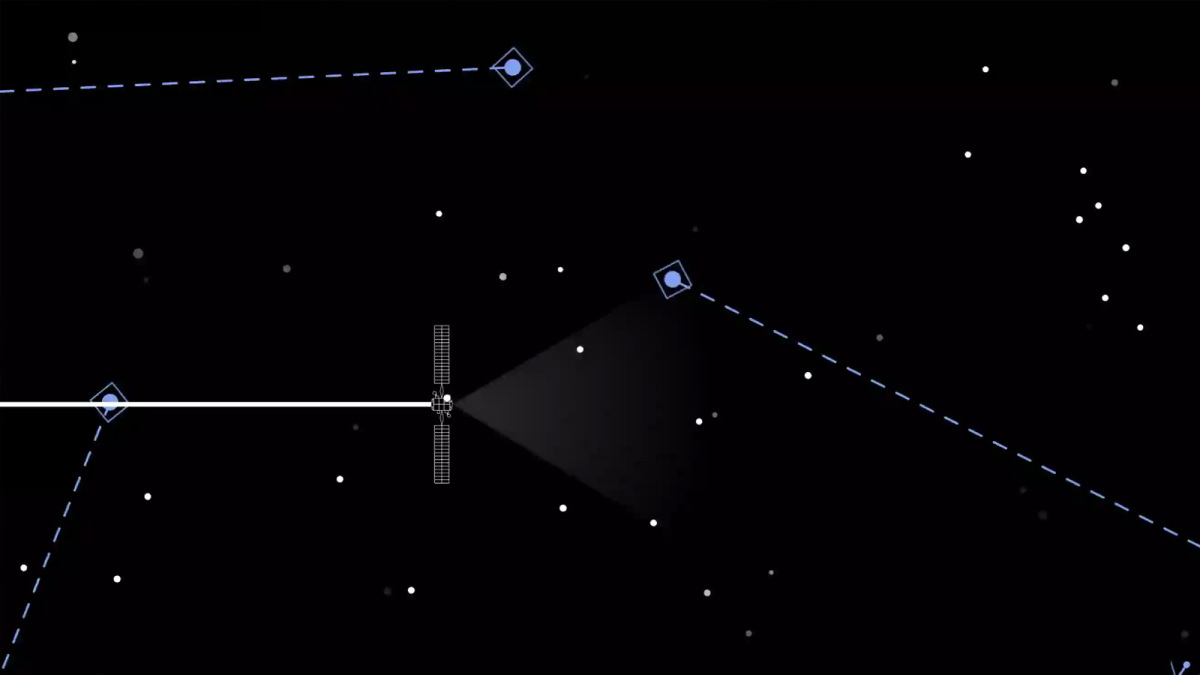
    The system, known as Stargaze, uses the star tracker cameras on SpaceX’s near-10,000 Starlink satellites to image objects in LEO, creating a detailed map of where everything is at any one time. That kind of thing could make a huge difference in avoiding satellite collisions; indeed, SpaceX claims it was Stargaze that helped its satellite dodge that Chinese rocket launch last year.

    “Stargaze quickly detected this maneuver and published an updated trajectory to the screening platform,” SpaceX explained (via SpaceNews).

    The detection allowed the Starlink satellite to adjust its orbit, narrowly avoiding impact.

    “With so little time to react, this would not have been possible by relying on legacy radar systems or high-latency conjunction screening processes,” SpaceX stated. “If observations of the third-party satellite were less frequent, conjunction screening took longer, or the reaction required human approval, such an event might not have been successfully mitigated.”


    Credit: SpaceX

    SpaceX is allowing other satellite providers to tap into Stargaze to improve their own satellites’ in-orbit safety, but it comes at a price: They have to give up the ephemeris data that tells everyone else where their satellites are and what maneuvers they have planned, if any. Money doesn’t need to change hands, but you have to hand over your data.

    “While Stargaze can detect maneuvers more quickly than any other system in use today, the most definitive source of satellite trajectories should be provided by operators themselves, allowing deconfliction and minimizing collision avoidance maneuvers,” SpaceX said in its announcement, highlighting that it updates the ephemeris data of its satellites every hour.

    Over the past couple of years, we’ve seen repeated calls for orbital operators to “clean up” near-Earth space to reduce the likelihood of collisions. Damage to a Chinese return vehicle last year from orbital debris showed how dangerous space can become as it becomes busier and harder to map.

    A system like Stargaze could go a long way toward helping with that. Joining up with the Office of Space Commerce and its TraCSS system will only help more so.

    Avoid Collisions Management Pushes space SpaceX Stargaze system
    Share. Facebook Twitter Pinterest LinkedIn Tumblr Email
    kirklandc008@gmail.com
    • Website

    Related Posts

    OpenAI Cut Off a Billion-Dollar Customer to Avoid Elon Musk

    September 3, 2026

    Meta Pushes Its New AI Agent on Employees—but Eases Off on Tokenmaxxing

    September 3, 2026

    The Download: AI puzzles and a path to our nearest star system

    September 2, 2026
    Leave A Reply Cancel Reply

    Top Posts

    Nothing CEO says phone prices are going to keep going up

    June 12, 20267 Views

    The best VPN routers of 2026: Expert tested and reviewed

    June 14, 20263 Views

    Google DeepMind Plans to Track AGI Progress With These 10 Traits of General Intelligence

    March 21, 20263 Views
    Stay In Touch
    • Facebook
    • YouTube
    • TikTok
    • WhatsApp
    • Twitter
    • Instagram
    Latest Reviews

    Subscribe to Updates

    Get the latest tech news from FooBar about tech, design and biz.

    Recent Posts
    • OpenAI Creates a New Framework to Disclose Bad AI Behavior
    • The Download: AI’s trillion-dollar gamble and OpenAI’s biology data bid
    • I Trained a Fly’s Brain to Generate WIRED Story Ideas
    • Building the materials foundation for AI
    • Physical AI Safety Under Attack From Silent Backdoors

    OpenAI Creates a New Framework to Disclose Bad AI Behavior

    September 17, 2026

    The Download: AI’s trillion-dollar gamble and OpenAI’s biology data bid

    September 16, 2026

    I Trained a Fly’s Brain to Generate WIRED Story Ideas

    September 16, 2026

    Building the materials foundation for AI

    September 16, 2026
    Facebook X (Twitter) Instagram Pinterest
    • About Us
    • Contact Us
    • Privacy Policy
    • Terms and Conditions
    • Disclaimer
    © 2026 TechNovaMindset. Designed by By Pro.

    Type above and press Enter to search. Press Esc to cancel.