

Artificial intelligence has taken the medical device industry by storm — even adding a layer of complexity to the operating room that’s resulting in patients being hurt, some health professionals claim.
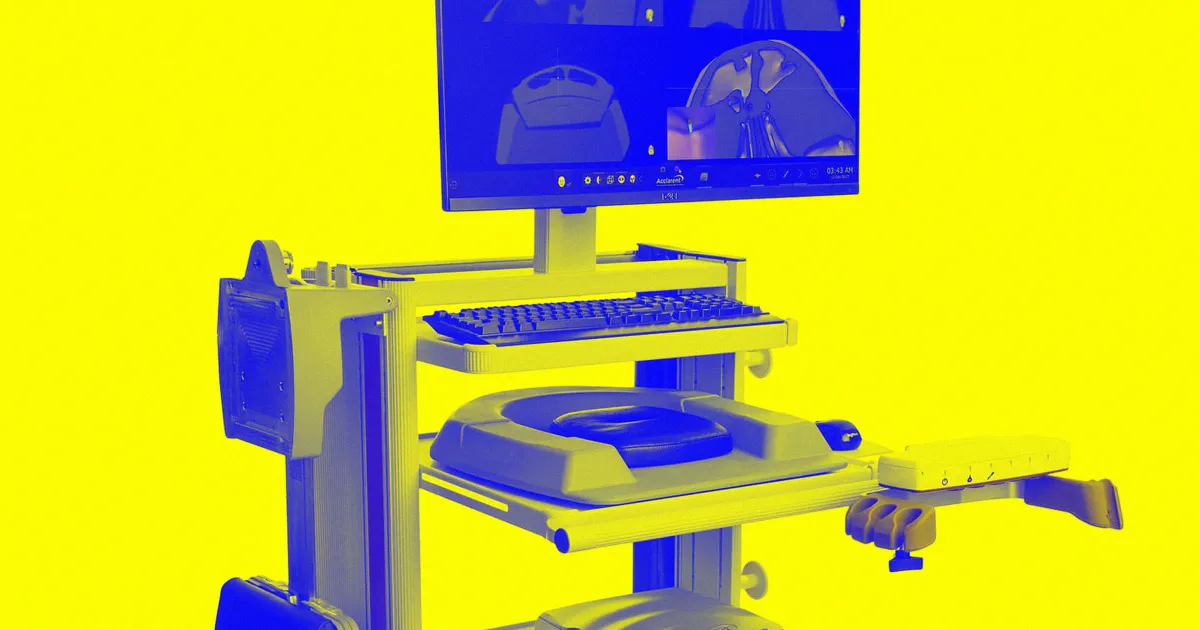
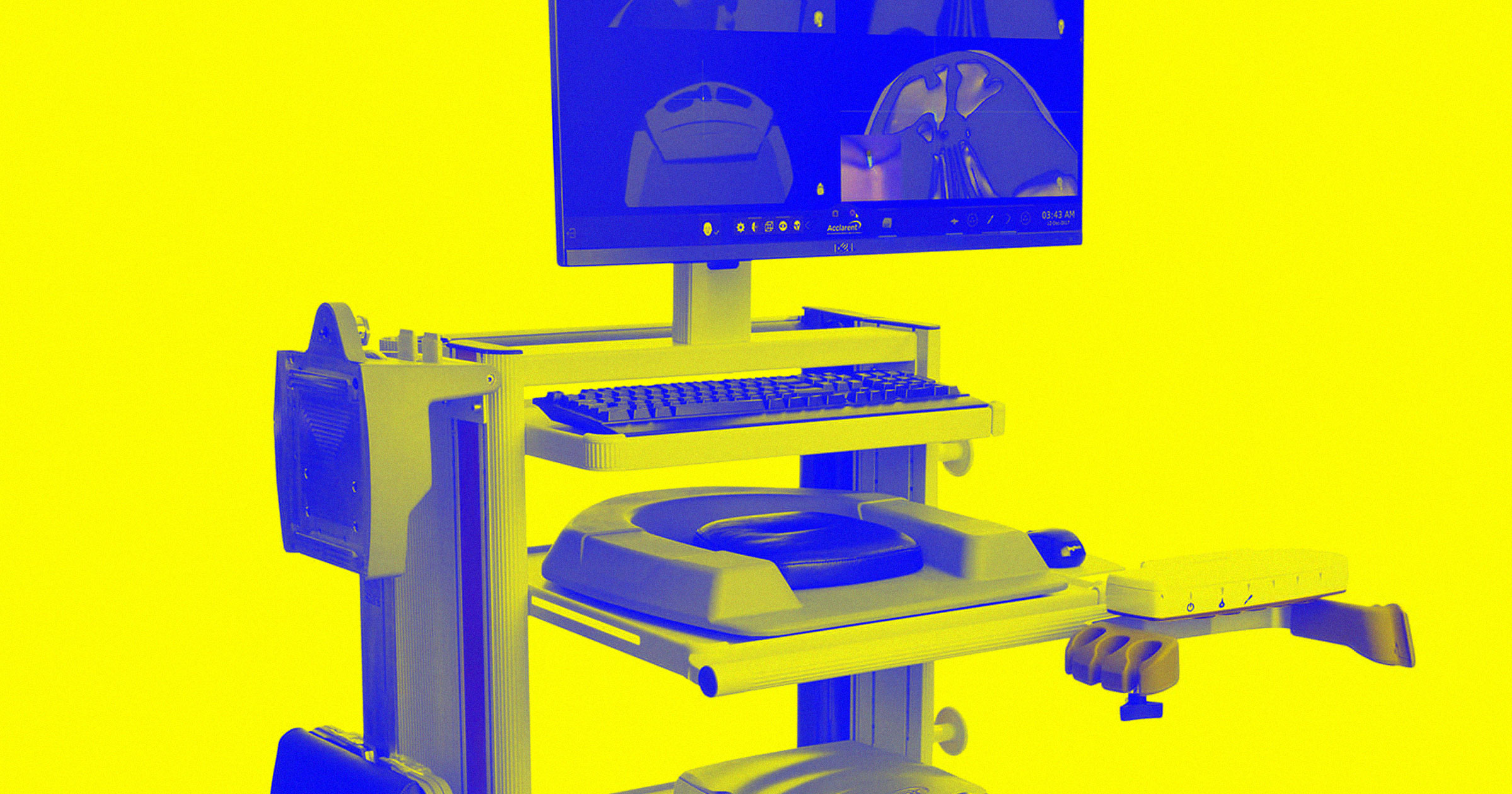
As Reuters reports, the TruDi Navigation System by device maker Acclarent was designed to treat chronic sinusitis, inflammation of the nasal sinuses, by inserting a tiny balloon to enlarge the sinus cavity openings.
But ever since the company added AI to the device, the US Food and Drug Administration has received at least unconfirmed 100 reports of malfunctions and adverse events, including at least ten instances of patients being injured.
While it’s still unclear what role AI played in these instances, the resulting injuries can be grim, from the punctured base of a patient’s skull to cerebrospinal fluid leaking from one another’s nose, per the reports.
Two victims who say they’ve experienced strokes following their sinuplasties involving the TruDi Navigation System have since sued the device’s maker, Acclarent, which has since been acquired by Integra LifeSciences. The plaintiff in one of the cases, Erin Ralph, accused the company of having the device mislead surgeon Marc Dean during a 2022 procedure, causing him to injure a carotid artery, leading to a blood clot and eventually a stroke.
The AI is used in the TruDi Navigation System to confirm the position of the devices inside the patient’s head.
“The product was arguably safer before integrating changes in the software to incorporate artificial intelligence than after the software modifications were implemented,” one of these suits alleges, as quoted by Reuters.
The second lawsuit was filed by Donna Fernihough, whose carotid artery allegedly “blew,” causing blood to spray “all over,” and resulting in her experiencing a stroke the same day.
Acclarent “knew or should have known that the purported artificial intelligence caused or exacerbated the tendency of the integrated navigation system product to be inconsistent, inaccurate, and unreliable,” Fernihough’s case alleges.
The suit also accused Acclarent of lowering “its safety standards to rush the new technology to market” and setting “as a goal only 80 percent accuracy for some of this new technology before integrating it into the TruDi Navigation System.”
Integra LifeSciences pushed back, telling Reuters that “there is no credible evidence to show any causal connection between the TruDi Navigation System, AI technology, and any alleged injuries.” Acclarent denied allegations in both suits, which are still ongoing.
Nonetheless, these instances illustrate how the operating room is quickly being overtaken by AI, a trend that started long before the advent of large language models (LLMs) like the ones powering ChatGPT. For instance, machine-learning algorithms have been used to screen for diseases like cancer in medical scans for decades.
We’ve already seen reports of AI-powered medical instruments falling victim to the known shortcomings of the tech. For instance, a recent study found that two-thirds of more than 12,000 patients identified as having heart failure by an AI-enhanced stethoscope didn’t actually have heart failure.
We’ve also seen LLM-based chatbots designed to give medical advice to real-world patients experience widespread hallucinations. Experts also warn that doctors are losing the ability to identify cancer in scans due to the reliance on AI-powered detectors.
Whether regulatory oversight is there to ensure patients don’t get hurt by AI medical devices remains a subject of heated debate. Devices using AI don’t even have to be used in clinical trials before being approved by the FDA. Instead, many device makers point to previously authorized devices before adding AI to them, according to Reuters.
Worse yet, the Trump administration’s enormous cuts to the FDA’s budget have led to dozens of AI scientists being laid off or encouraged to leave, adding plenty of pressure to those who remain.
“If you don’t have the resources, things are more likely to be missed,” a former device reviewer told Reuters.
Meanwhile, the FDA has doubled down on the tech, outsourcing oversight duties to LLMs to “fuel innovation” and accelerate drug approvals.
Most recently, administrator of the Centers for Medicare & Medicaid Services Mehmet “Doctor Oz” Oz gloated over “robots” that can do anything from performing ultrasounds on pregnant women and “wands” that can determine “whether the child’s OK or not.”
“And frankly, I don’t have to see the image,” he said. “I just have to know if the image is good enough to tell me the child doesn’t have a problem.”
More on medical AI: Google’s AI Overviews Caught Giving Dangerous “Health” Advice
